
Guide
What Actually Happens During a Service Call Here
A look at what a real service call checks on Waxahachie garage doors, tied to the town's 1980s-90s housing stock, moderate heat exposure, and when a repair stops being a weekend job.
Local detail
The Problem
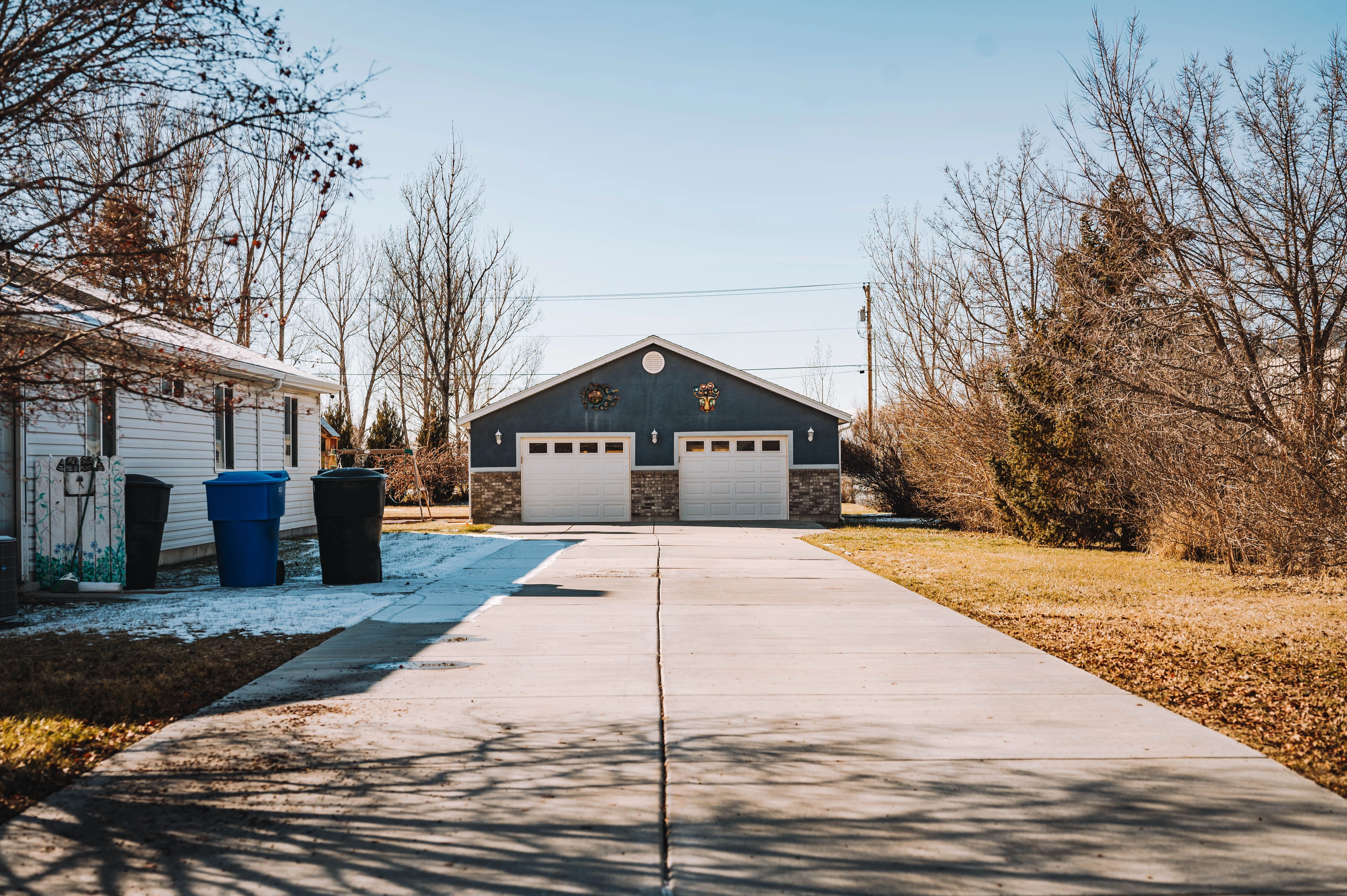
Most of the doors we get called out to sit on houses built between 1976 and 2014, with the bulk of that stock going up in the 1980s and 90s. That matters because a door installed in 1988 is on its third or fourth opener by now, but the original track and hinges are often still there, just worn past the point where lubrication fixes anything. A service call starts by figuring out which parts are original and which have been swapped over the decades, because a mismatched setup - new opener, old spring, older track - fails in ways a single-era door doesn't. We check the spring first, since that's the part under the most load and the least visible wear.
Then rollers, hinges, and the track alignment, because a door built to 1990s spec doesn't always sit right on hardware that's been adjusted a dozen times since. None of this is exotic. It's just knowing that a house from this stretch of Waxahachie's growth has a predictable set of things that go first, and checking those before touching anything else.

The area
When It Stops Being a DIY Job
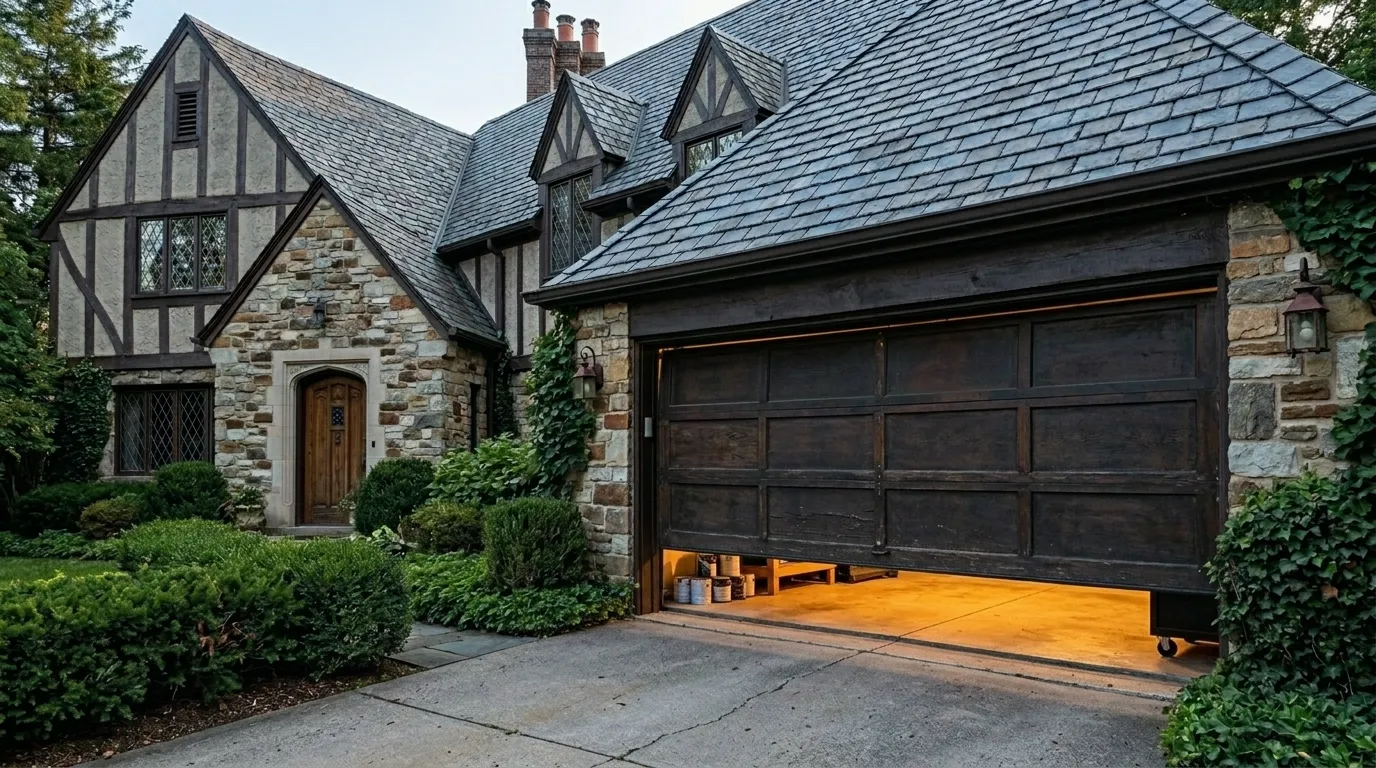
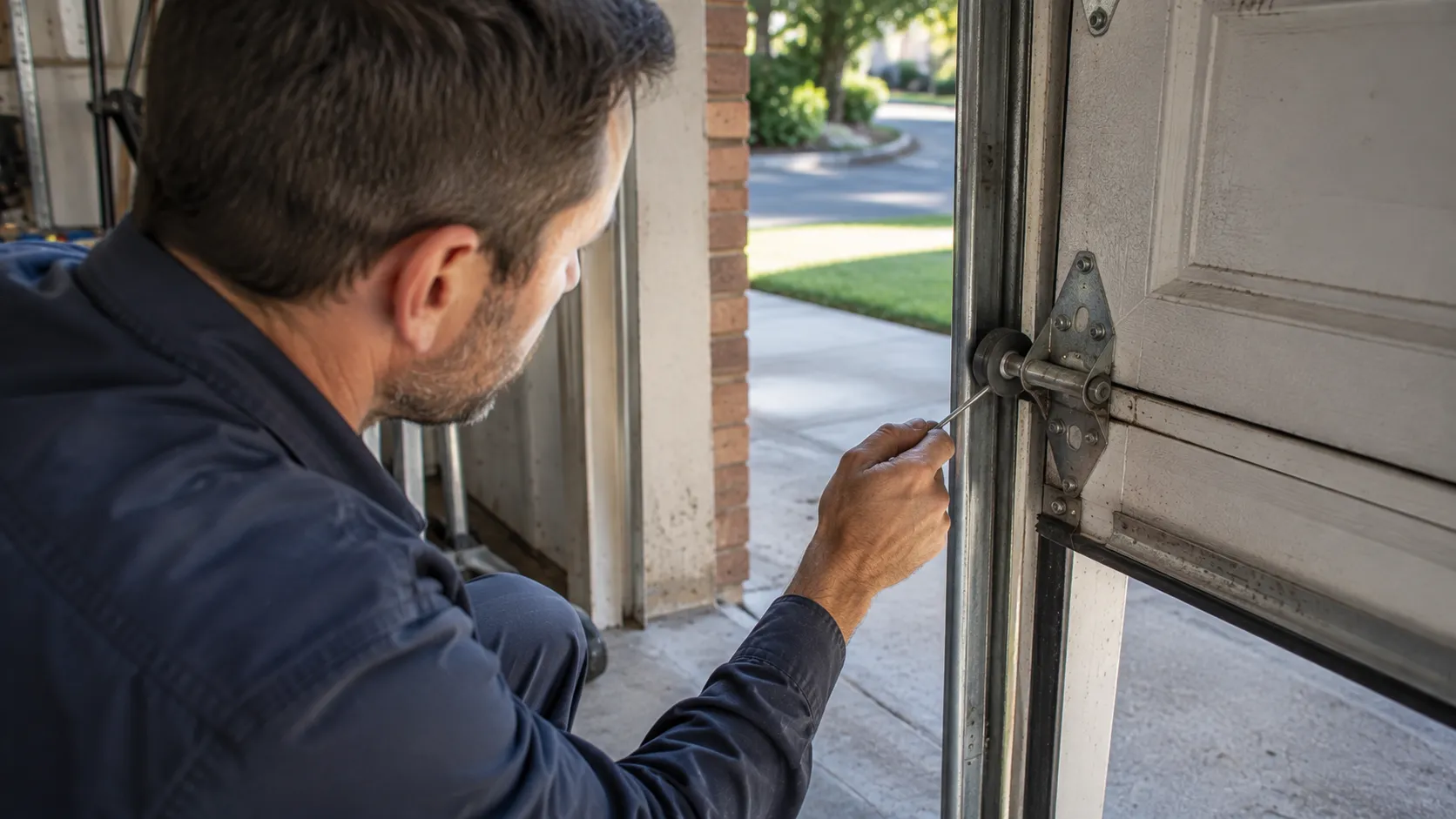
Tightening a loose bracket or swapping a remote battery is fine to do yourself. Once you're looking at a broken torsion spring, a bent track, or a cable that's jumped its drum, that's where we draw the line for homeowners, and we say so on every call. A torsion spring is wound under enough tension to do real damage if it lets go while you're working on it, and on the older end of our housing stock - anything close to that 1976 start of the build range - the mounting hardware for that spring is often the original piece, not rated for the tools or torque bars people buy today.
We also see doors where a previous owner tried a repair and the door now runs, but runs wrong: off-center, scraping a panel, or closing slower on one side. That's a sign something downstream is compensating for a part that should've been replaced, not patched. If a job needs the door taken off track to fix it right, that's a service call, not a Saturday project.
What we find
How Local Conditions Play In
Waxahachie sits in a moderate heat band, not the extreme swings some parts of the state deal with, but summer heat still does its work on rubber seals, nylon rollers, and the lubricant in an opener's chain drive. A door that's fine in March can start binding by August because the metal track has expanded slightly and the rollers were already at the end of their life. We don't see the kind of freeze-thaw damage that cracks concrete aprons further north, but we do see heat-dried weatherstripping and openers pulling harder than they should because the grease inside has thinned out and run off.
On a house from the 1990s stretch of our local stock, that's usually the original stripping, since it's a low-priority replacement until it visibly cracks. It's a small thing, but a bad seal makes the opener work harder for years before anyone notices.
How we work
The Common Mistake
The mistake we see most is treating the opener as the problem when the door is the problem. Across the houses we service - and with 21,770 owner-occupied houses in this area, there's a lot of variation in what's original versus replaced - people hear grinding or see the door struggle and assume the motor's dying. Half the time the opener is straining because a spring has lost tension or a track is out of alignment, and replacing the opener just buys a few more months before the real issue shows up again.
We'll be straight with you: sometimes a full door replacement is the better call, especially on a door old enough that parts are getting harder to match. We don't push replacement when a repair will hold, but we won't sell you an opener when the fix is a $200 spring. Get the actual point of failure checked before you buy anything.
Questions
Common questions
How do I know if my garage door needs a spring replaced or just an adjustment?
If the door feels heavy to lift by hand with the opener disconnected, or it slams down faster than it used to, the spring has likely lost tension and needs replacing, not adjusting. A spring that's still under tension but slightly off can sometimes be reset, but on doors from the 1980s-90s stock common around here, most springs at this point are past adjustment and into replacement territory.
Does the heat here actually damage garage door parts?
Waxahachie's climate band is moderate heat, not extreme, but summer temperatures still dry out rubber weatherstripping and thin the grease in opener chain drives over years of exposure. It's gradual wear, not sudden failure, which is why a lot of owners don't notice until the seal cracks or the opener starts working harder than it should.
Is it worth repairing an older door or should I replace it?
Depends on what's actually broken. If it's a spring, cable, or a few rollers, repair almost always makes sense. If the track is bent, the door is original to a house from the early end of our 1976-2014 build range, and parts are getting hard to match, replacement often costs less over time than repeated repairs. We'll tell you honestly which situation you're in.
Ready when you are
Need a garage door sorted in Waxahachie?
Waxahachie Garage Door Pros repairs and installs garage doors, springs and openers in Waxahachie, TX and the surrounding area.