
Spring-Only Failure
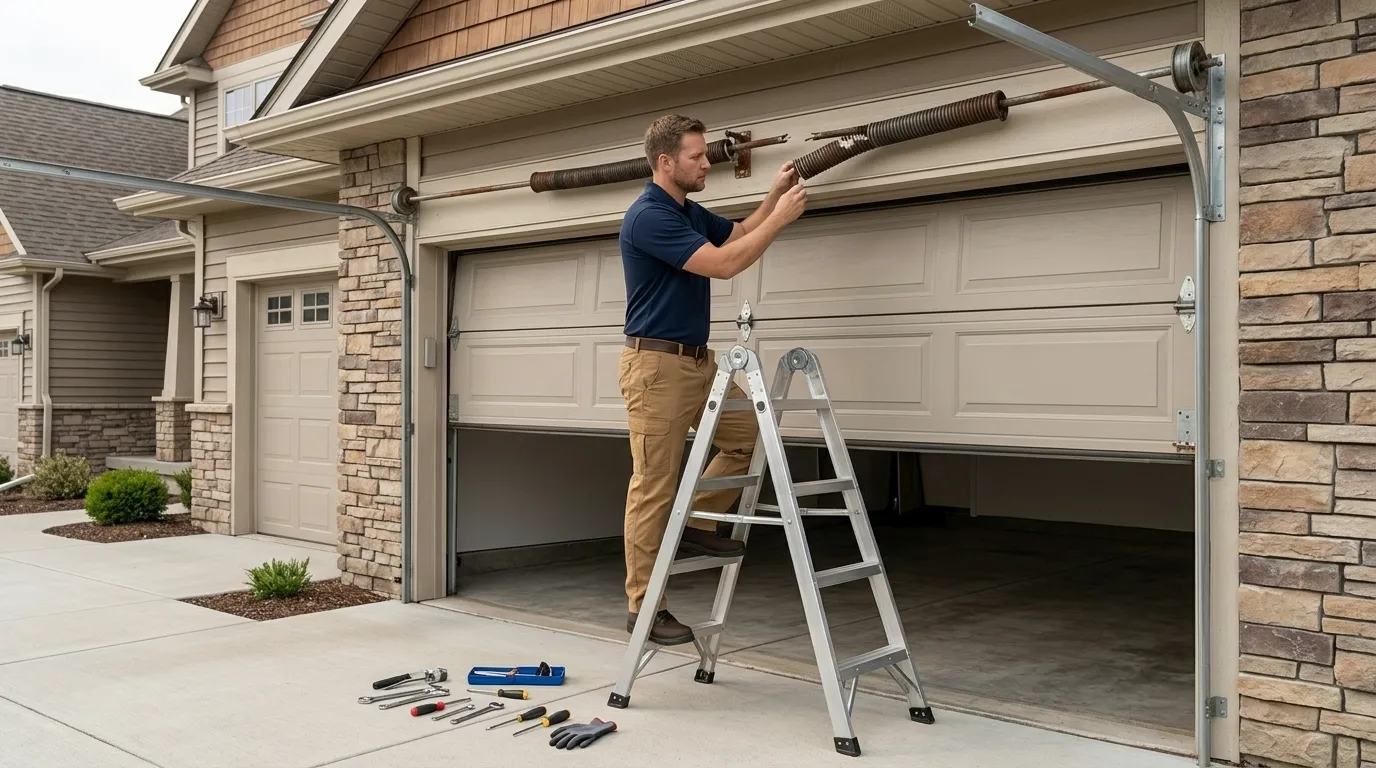
A spring repair can make sense when the panels, tracks, opener, cables, rollers, and surrounding structure remain serviceable.
Local garage door service · Waxahachie, TX
Garage door repair and replacement for Waxahachie homes built mostly between 1976 and 2014, covering commercial garage doors, installation, maintenance, opener repair, panel replacement, spring repair, and the mixed-generation systems common across the area's 1980s- and 90s-heavy housing stock.
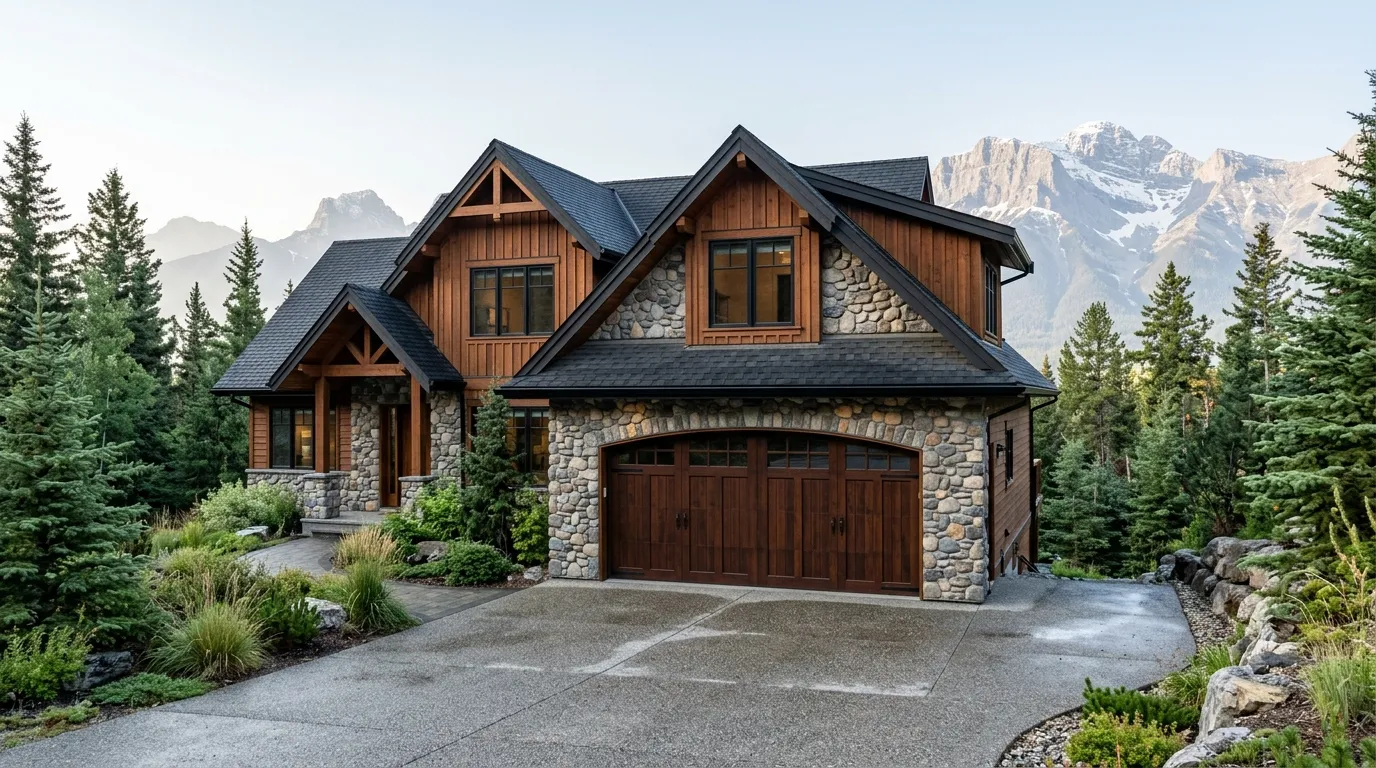
Garage door services
From commercial garage doors and installation to maintenance, opener repair, panel replacement, spring repair, and general garage door service, the lineup is built around the systems common across Waxahachie's mixed-age housing stock.
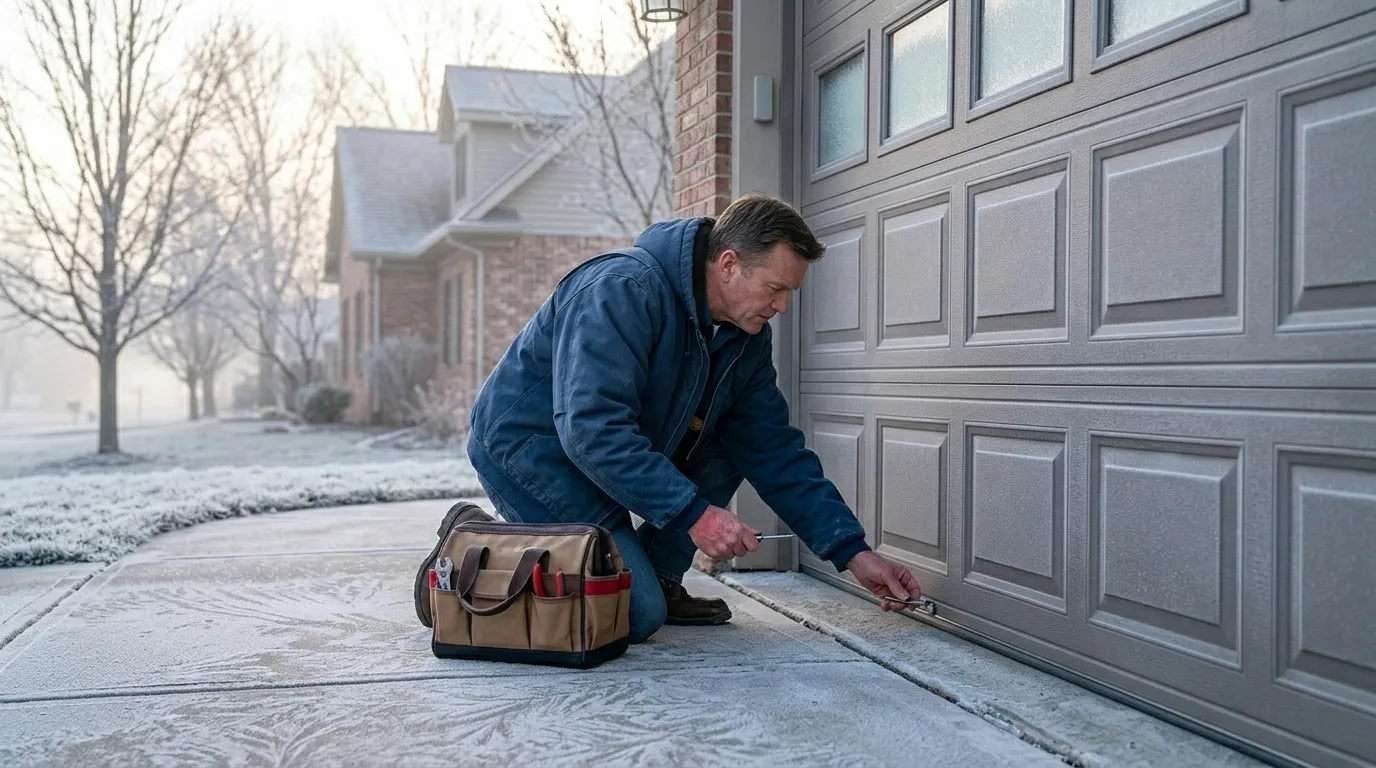
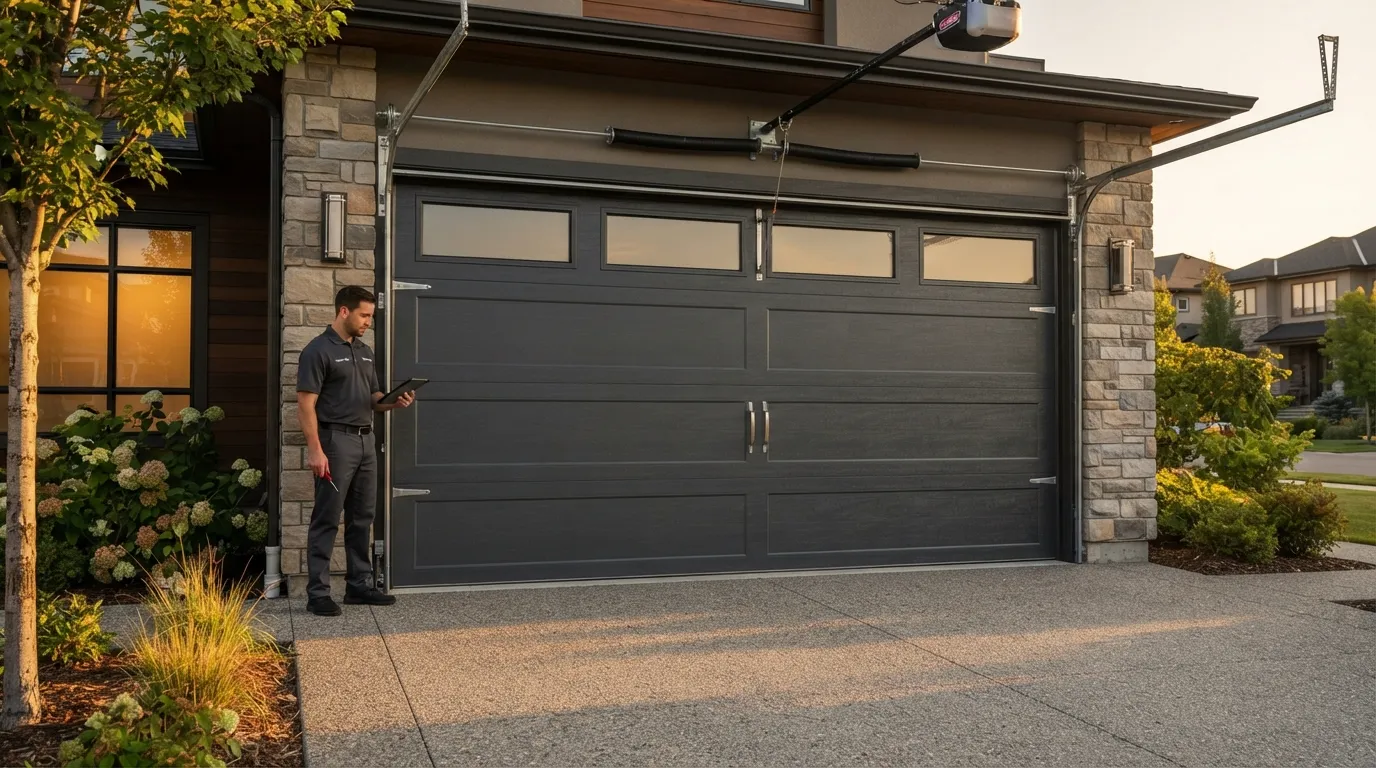
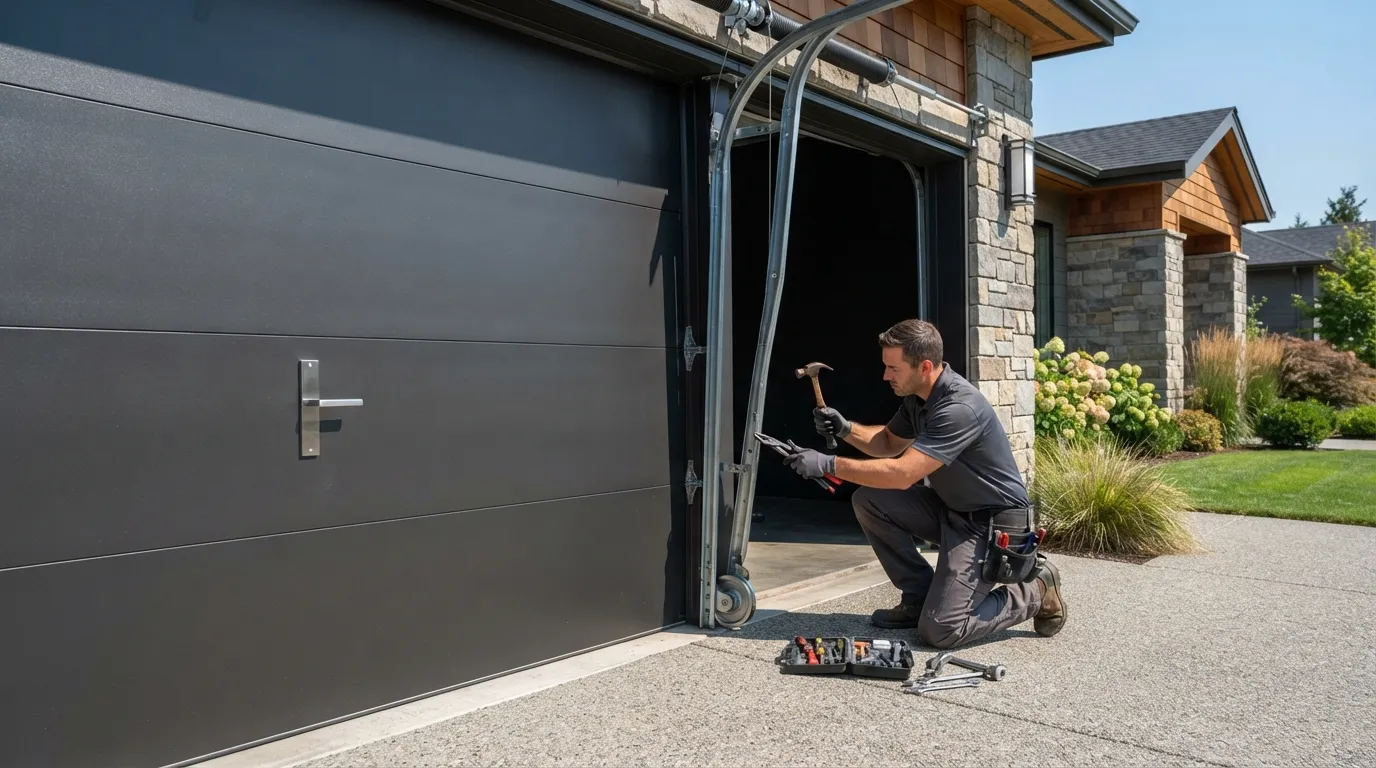
Clear repair guidance
There isn't one flat repair price, because spring repair, opener work, panel replacement, maintenance, installation, and commercial garage door service can involve different parts and labor.
Door age, spring size, door weight, opener type, track condition, panel construction, and parts availability can all change the repair scope.
Much of the local housing dates from 1976 through 2014, with the heaviest concentration in the 1980s and 90s, so several generations of garage door hardware remain in use.
Newer doors may use readily available parts, while some older systems can require additional sourcing time.
We inspect the actual door and explain the cost before work begins rather than rely on a low phone quote that may not match the installed system.
Repair or replace?
A broken spring, opener component, roller, cable, or isolated panel problem doesn't automatically mean the whole garage door needs replacement. Replacement becomes more practical when the door structure, tracks, panels, or several major components are deteriorating together.
A spring repair can make sense when the panels, tracks, opener, cables, rollers, and surrounding structure remain serviceable.
An older garage door can remain worth keeping when the door and frame are structurally sound and the immediate failure is isolated.
Replacement becomes more practical when panels are severely warped or damaged enough that another localized repair will not restore reliable operation.
A new opener can make more sense when a failing older unit needs a discontinued board or other component that is difficult to source.
Common Waxahachie garage door problems
Worn torsion springs, aging openers, rollers, cable wear, panel problems, and older hardware make up much of the work across Waxahachie's 1976–2014 housing stock. Torsion spring wear is a recurring repair need on garage doors that have accumulated years of regular opening and closing; openers from the 1990s and early 2000s develop worn gears, capacitor problems, control issues, or other age-related failures; rollers become noisy or rough over time, while cables fray after years of repeated lifting cycles; and older wood-composite or panel components develop warping, seal deterioration, or other age-related damage. The correct repair depends on inspecting the complete system rather than replacing whichever part is easiest to sell.
Torsion springs eventually reach the end of their useful cycle life after years of repeated opening and closing.
Older opener gears, capacitors, boards, controls, and drive components can eventually develop operating problems.
Rollers can become noisy, rough, damaged, or resistant after years of regular track travel.
Cables can fray, loosen, slip, or fail after years of carrying repeated lifting loads.
Older panels, inserts, bottom seals, and weatherstripping can deteriorate over time and may need targeted replacement.
Warm-climate garage door wear
Waxahachie has steady moderate heat, so the focus is on long-term sun exposure, seal aging, suitable lubrication, opener wear, and normal mechanical cycling rather than heat alone causing component failure.
Long-term sun and warm-weather exposure can age rubber seals and weatherstripping over time.
Older wood-composite inserts, trim, finishes, and exposed surfaces can show long-term weathering in warm conditions.
Daily operation gradually wears rollers, bearings, hinges, and other moving hardware regardless of climate.
An opener can work harder when spring, roller, track, or balance problems are already making the door difficult to move.
Local housing matters
The broader source service area spans homes built from 1976 through 2014, with the heaviest concentration in the 1980s and 90s.
That creates a mix of several generations of steel doors, torsion springs, chain-drive openers, tracks, rollers, cables, panels, and wiring standards across the area.
The broader area covers roughly 35,700 households, including around 21,770 owner-occupied houses.
The housing is spread across roughly thirteen distinct pockets rather than one uniform subdivision.
The house's build era provides useful context, but the correct repair depends on the actual hardware installed today.
1970s–2010s garage door systems
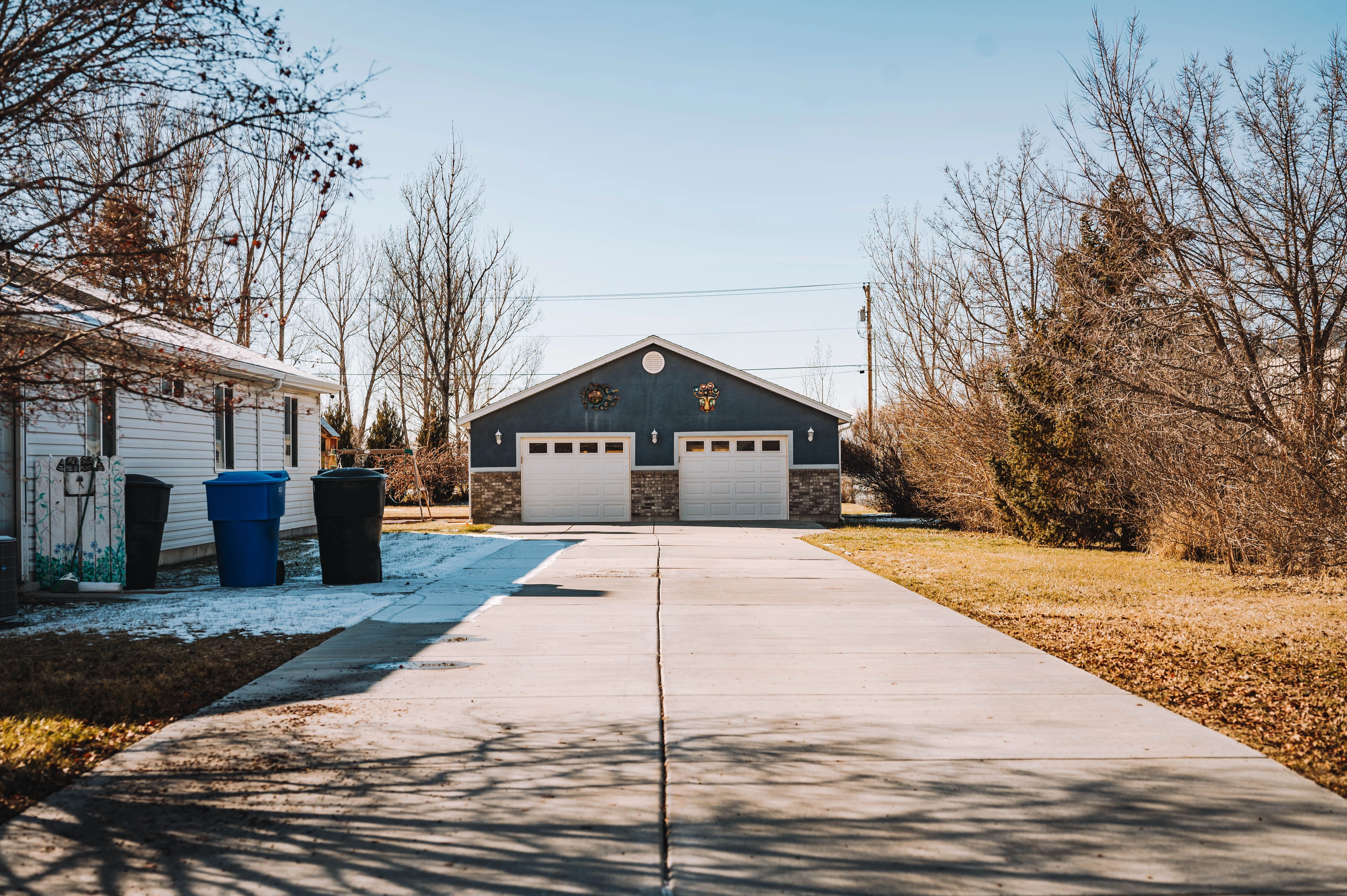
The area's broad 1976–2014 housing range means garages can combine several generations of torsion hardware, steel doors, tracks, replacement openers, panels, and wiring.
Spring size and configuration should be matched directly to the actual weight and hardware of the installed door.
Older chain-drive units can develop gear, capacitor, motor, control, or other age-related operating problems.
A garage may have a newer opener while retaining older springs, tracks, cables, rollers, or panels.
Homes toward the newer end of the range are more likely to use current hardware sizes and components that remain readily available.
Keep the system moving
Periodic inspection can help identify spring fatigue, cable wear, roller problems, track movement, opener strain, panel deterioration, and seal wear before a small issue becomes a complete failure.
Changes in door balance can indicate the spring system is no longer carrying the door as effectively as it should.
Fraying, rough travel, looseness, or visible roller wear can point to developing lifting and guidance problems.
Tracks, panels, hinges, brackets, and seals can be checked for impact damage, movement, warping, or long-term wear.
Changes in sound, travel, reversing, or control response can provide early signs of opener trouble.
What to expect
We start with what the door is actually doing, ask about its age, diagnose before repairing, and set a clear parts expectation when older components need sourcing.
Tell us whether the door won't open, opens crooked, made a loud bang, or has another operating problem.
We ask about the age of the house and garage door to help narrow down the likely hardware before the visit.
The actual spring, opener, track, cable, roller, panel, and surrounding hardware are inspected before the final repair scope is set.
Common repairs may be completed during the visit, while discontinued or less-common older parts can require additional sourcing.
Some Older Parts Need Ordering
Discontinued hardware on older garage door systems may need to be special-ordered rather than treated as a guaranteed same-visit repair.

Service areas
Questions
Most houses in the service area were built between 1976 and 2014, with the heaviest concentration in the 1980s and 90s, so a lot of the doors and openers we see are original to houses in that range — meaning hardware and spring sizing from three or four different eras.
Yes. We regularly work Oak Leaf, Midlothian, Ovilla, Glenn Heights, and Palmer, all around eight to ten miles out, and we also take calls further out in Maypearl, Ennis, Ferris, Italy, Venus, Wilmer, Hutchins, and Alma.
Torsion springs are rated for a set number of open-close cycles, usually somewhere around 10,000. On an original door from a house built in the 80s or 90s, that number gets used up quietly over years, and the spring just lets go on an ordinary morning.
No, and we'll say so when it's true. If the panels are warped or the opener board is discontinued and hard to source, a repair can end up costing close to what a full replacement would, and we'd rather tell you that upfront than patch something twice.
Ready when you are
Tell us what the door is doing and we'll help you figure out whether you're dealing with a spring, opener, panel problem, maintenance issue, installation need, commercial door issue, or another aging component in the system.