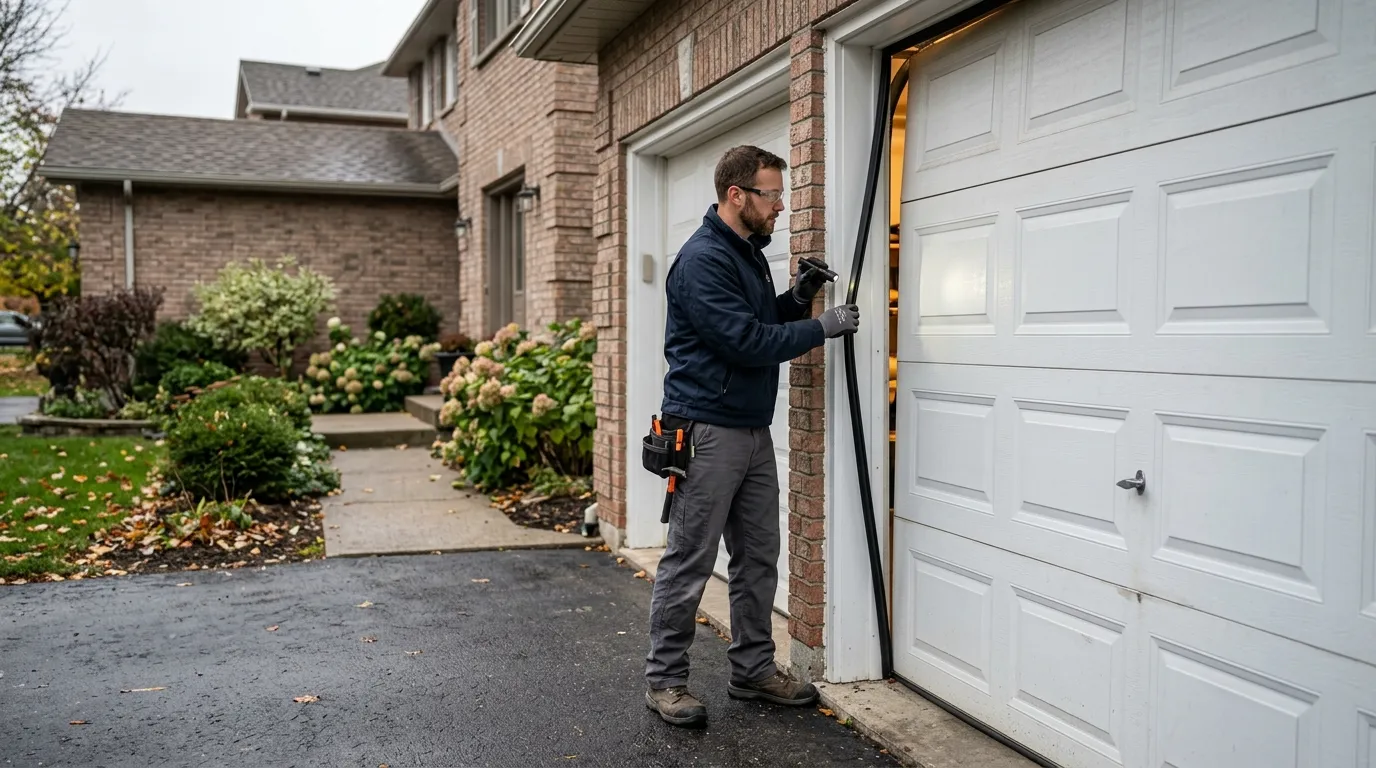
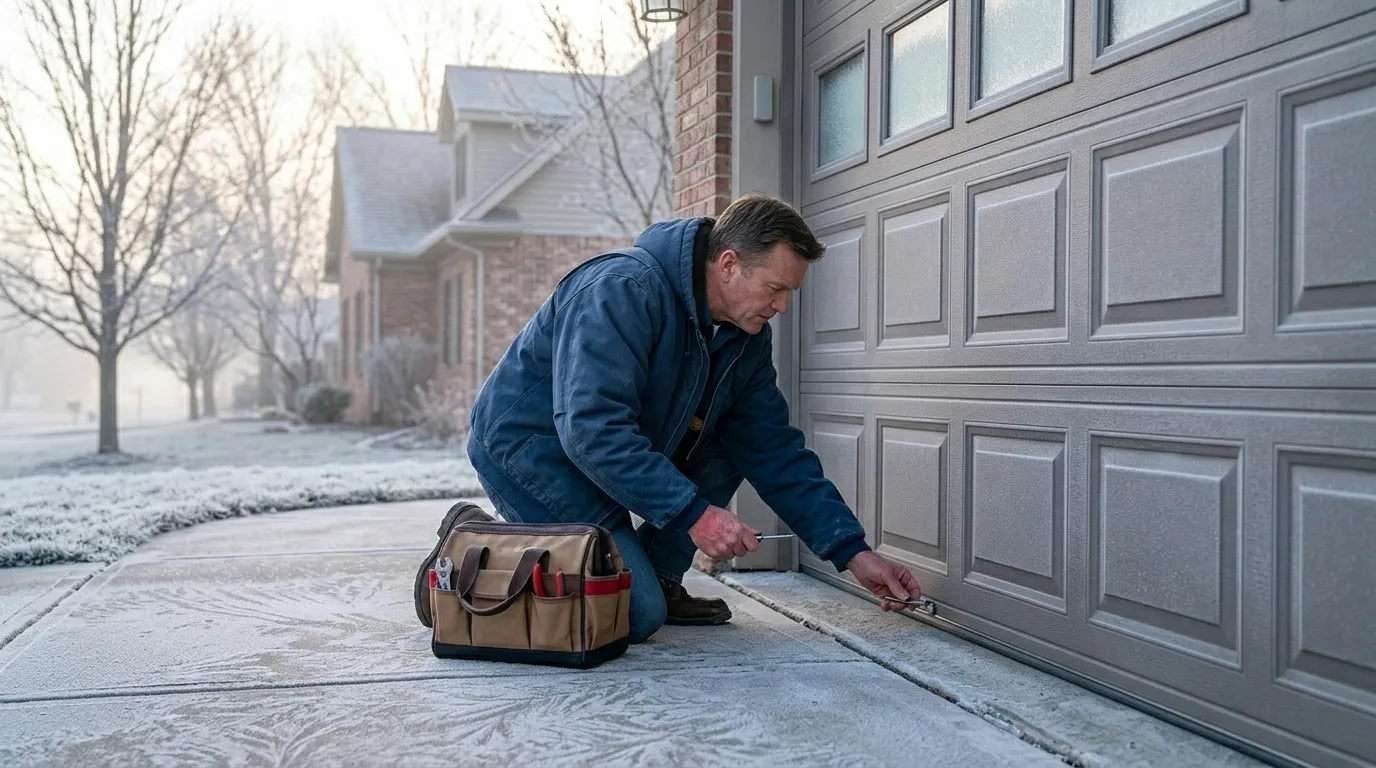
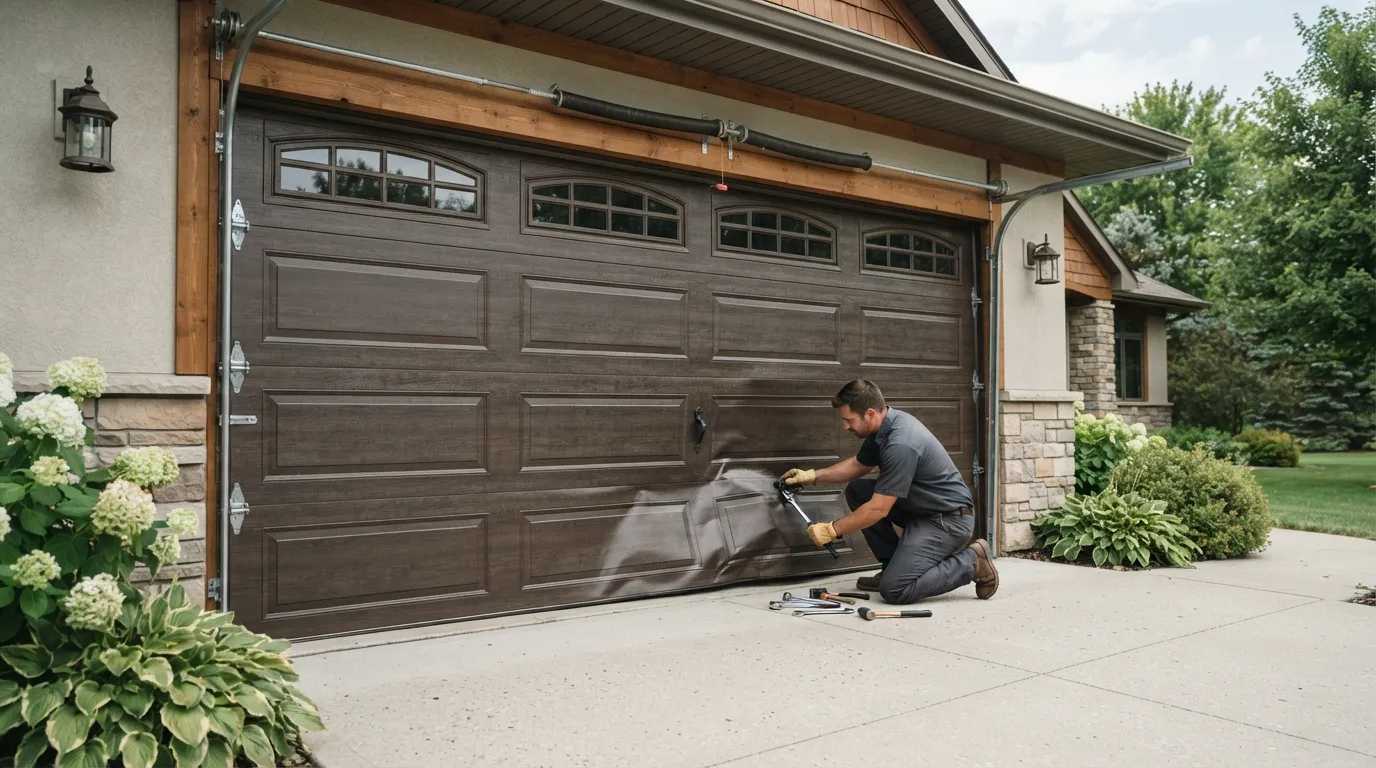
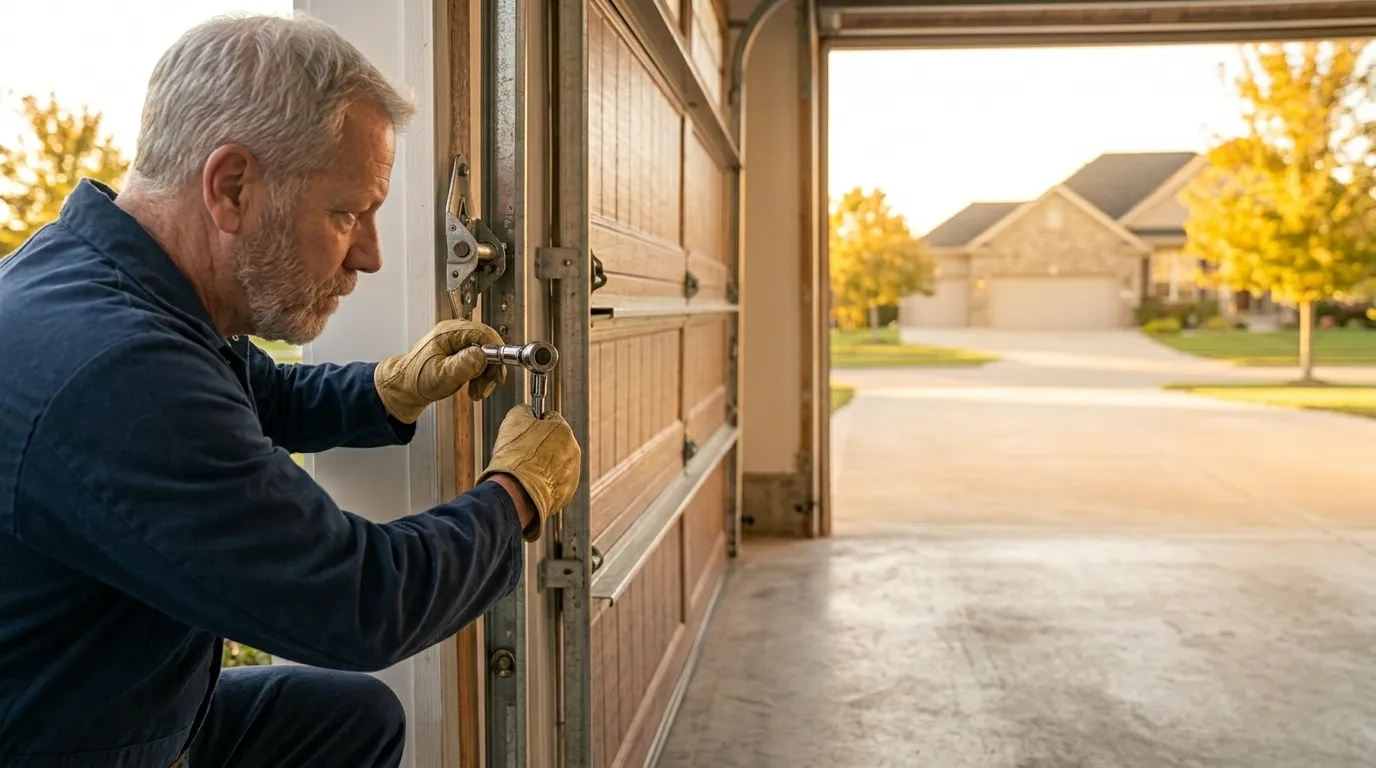
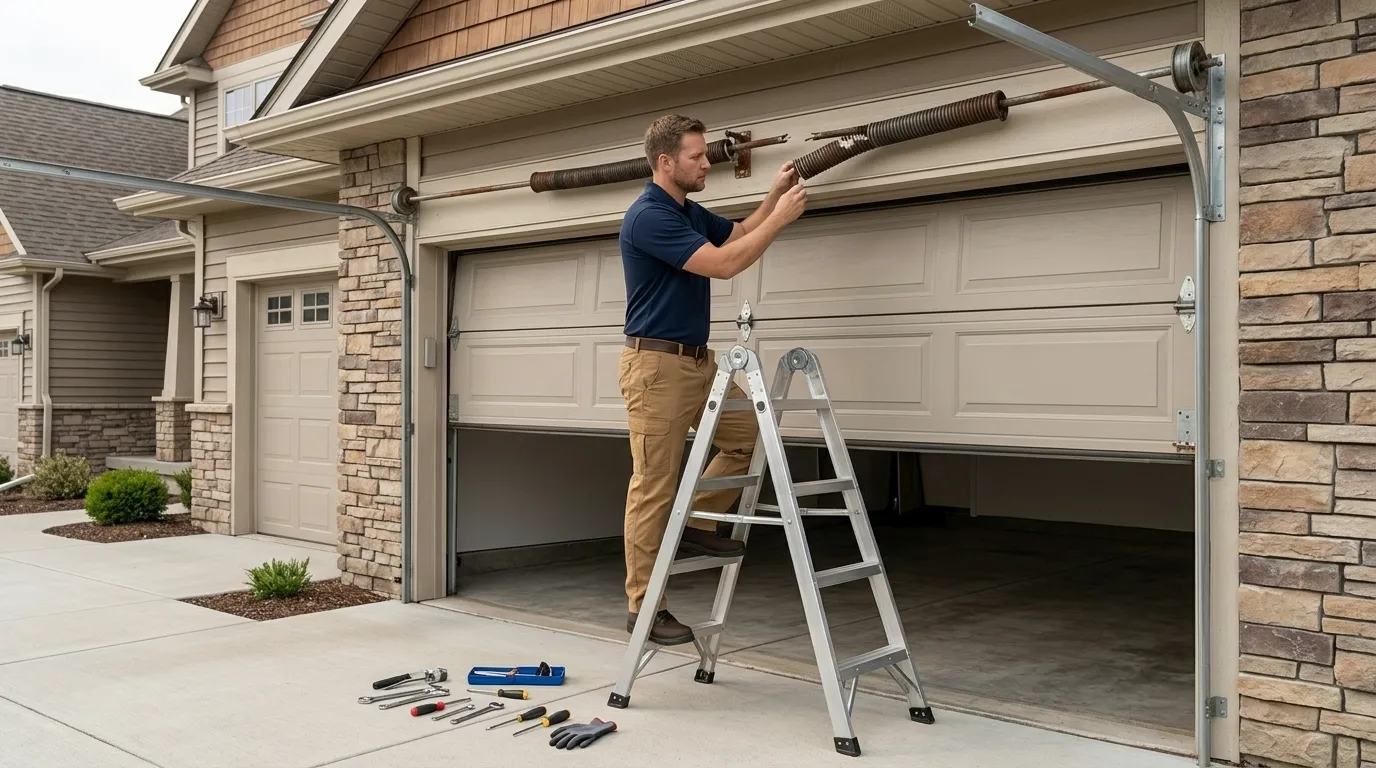
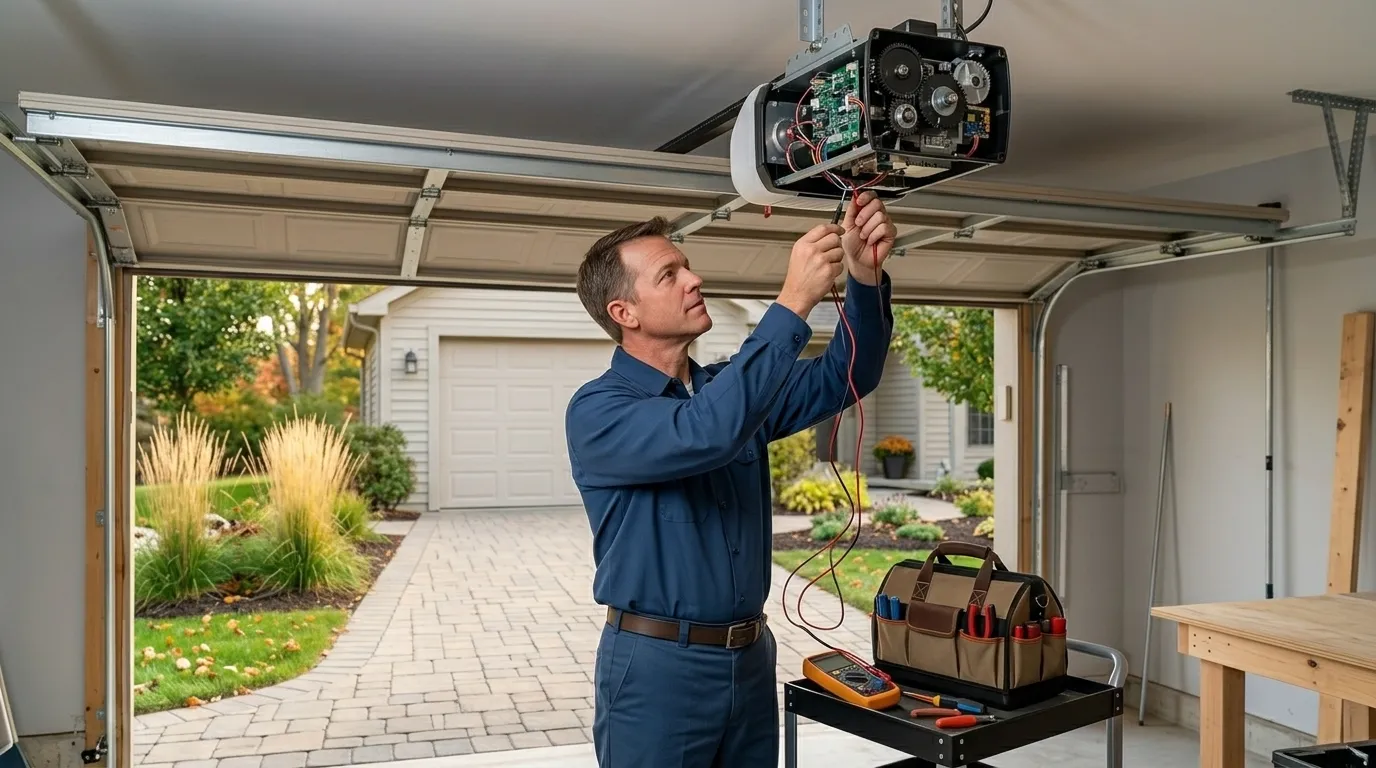
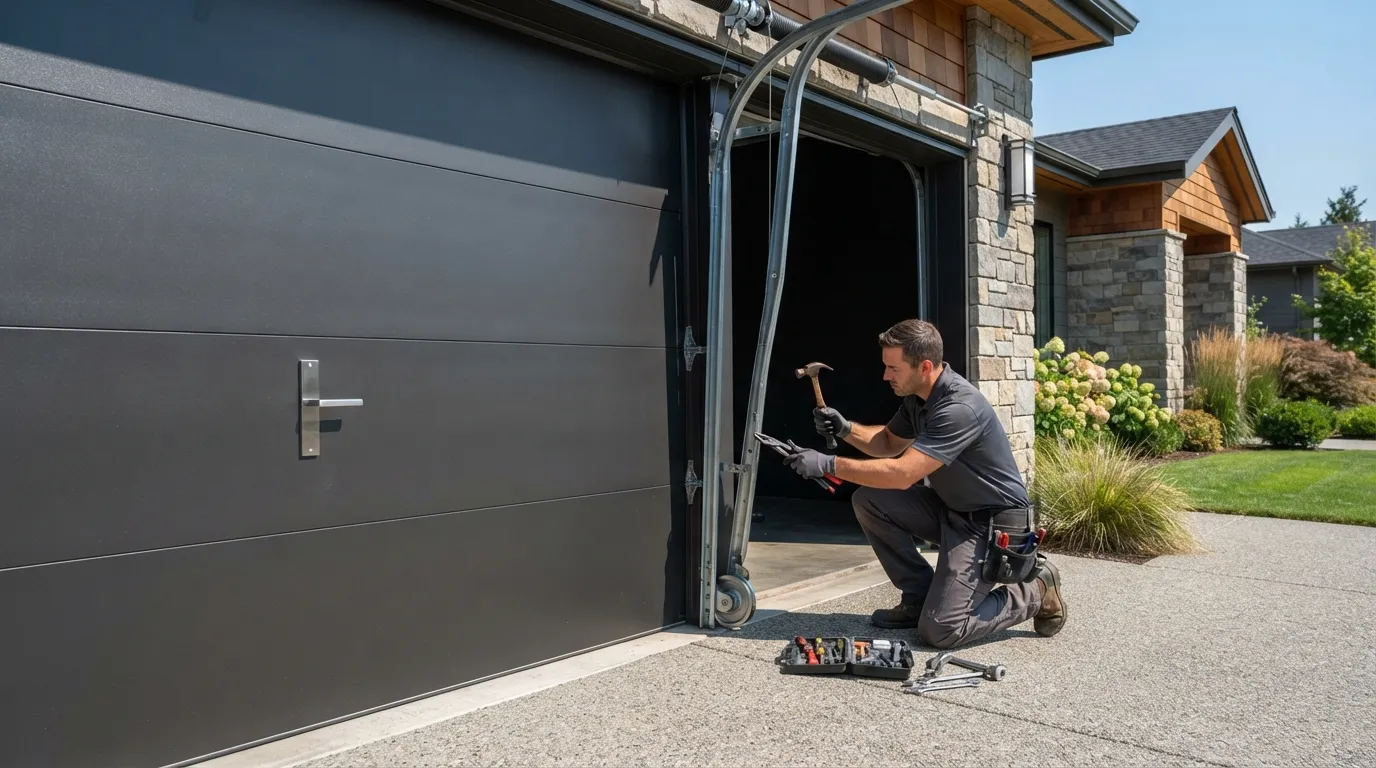
A maintenance visit isn't a five-minute once-over. We check spring tension and balance, inspect cables for fraying, look at the track for bends or misalignment, and lubricate rollers, hinges, and the opener's moving parts with something that holds up under heat rather than gumming up. We test the opener's force settings and safety sensors, since those drift out of adjustment over years of use.
On older 1980s and 90s doors, we're also checking whether the spring size still matches the door - a lot of these have had a heavier insulated door installed at some point without a spring upgrade, and that mismatch is what causes premature spring failure.
Here's the honest limitation: if a spring is already showing metal fatigue or a cable has visible fraying, a lube-and-adjust visit is the wrong call - that's a replacement part, not a tune-up, and we'll tell you that on the spot rather than patch it and have you calling again in a month. Maintenance works best as a preventive step on hardware that's aging but not yet failing. Once a part is actually failing, it needs to come out.