
Blog
What Your Garage Door Is Trying to Tell You
Garage door noises in Waxahachie often trace to 1980s-90s hardware and Texas summer heat. Learn which sounds mean a quick fix and which mean a real repair.
The Problem
Half the houses in our service area went up between 1976 and 2014, with the median sitting right at 1996. That's not ancient, but it means a lot of original torsion springs, openers, and rollers are hitting 25 to 30 years of cycles at roughly the same time. A spring that's cycled that long doesn't just snap quietly one day - it usually announces itself first. A popping or ticking sound on the way up is often a spring coil starting to fatigue. A rhythmic thump once per rotation usually points to a flat spot on a roller or a bent track section. A screech on the way down, especially on an older steel door, is dry hinges or a track that's lost its factory lubrication years ago and never got more. None of these sounds are random. Across a service area with 35,702 households and 21,770 owner-occupied houses, the pattern repeats block by block because the hardware installed during that same building wave is wearing out in the same order it went in. The sound is diagnostic information, not background noise, and it's worth listening to before it becomes a call that starts with the door stuck halfway.
When It Stops Being a DIY Job
A squeak you can fix with the right lubricant on the hinges and rollers. A torsion spring that's started making a metallic groan under load is a different animal - that spring is holding the full weight of the door coiled under tension, and if it's original to a house built anywhere in that 1976-2014 window, it's well past the point where anyone should be loosening its winding cone with a household wrench. That's not a scare tactic, it's just what the part is. Track noise that comes with visible daylight between the roller and the rail means the track has pulled away from the framing, and tightening bolts on a door that's still under spring tension is not a solo job. Here's the honest limit: some of the openers and hardware from that same building era are no longer stocked new, and matching a discontinued spring wire size or an obsolete opener gear can take longer than a same-day fix. We'll tell you straight if a part has to be ordered rather than pretend it's on the truck. If the noise is coming from anything holding tension - springs, cables, the drum - that's the line where DIY stops.
How Local Conditions Play In
This area sits in a moderate heat band, not the extreme end of the state, so panels here don't warp the way they do further south or west. But moderate still means real swings between a cool morning and a 95-degree afternoon on a sun-facing door, and steel expands enough across that range to change how a track lines up. A door adjusted or lubricated in a cooler month can start binding or rattling once summer heat sets in, simply because the tolerances shifted. Dry, hardening lubricant is a bigger issue here than rust - grease that was fine in spring turns tacky and noisy by August, and that's often the grinding or chattering sound owners notice first on a door that seemed fine a few months earlier. Opener sensors mounted low near the slab can also drift out of alignment as brackets expand and contract with the heat, which shows up as intermittent clicking or a door that reverses partway for no obvious reason. None of this is dramatic weather damage - it's ordinary thermal movement acting on hardware that's already aging out of its original tolerances.
The Common Mistake
The most common mistake isn't ignoring a noise - it's guessing at it. Owners hear a metallic sound and reach for a spray lubricant on whatever part is easiest to see, usually the track, when the actual noise is coming from a spring or a bearing plate at the top of the door. WD-40 on a track doesn't fix a fatigued spring, and it can make the rollers slicker in a way that hides a bigger problem for another few weeks. With a median household income of $79,739 across an area with 21,770 owner-occupied houses, most owners here aren't skipping a proper repair for lack of money - they're skipping it because the noise seems tolerable and the door still opens. That's the trap. A sound that's consistent, that shows up in the same spot in the door's travel every time, is a part telling you exactly where it's failing. Waiting usually doesn't make the fix cheaper; it just moves the failure from a scheduled repair to an emergency one, often at the worst possible moment.
Questions
Common questions
Why does my garage door suddenly sound louder than it used to?
If the house is part of the area's typical 1980s-90s to mid-2000s building stock, the door's original hardware is likely aging out around the same time as neighboring houses. Dry lubricant, a fatiguing spring, or a track that's shifted slightly are the usual causes, not sudden damage.
Is a grinding noise always the spring?
Not always. Grinding often comes from a worn roller bearing or a bent track section rubbing metal on metal. A spring problem usually sounds more like a pop, creak, or metallic groan under load. Either way, if it's tied to tension parts, it's not a job to open up yourself.
Can summer heat really change how my door sounds?
Yes. Steel track and brackets expand in afternoon heat, which can tighten tolerances that were set in cooler weather. Lubricant that worked fine in spring can also thicken or dry out by mid-summer, which shows up as new squeaking or chattering on a door that ran quietly a few months back.
Recommendation
You Might Also Like
More garage door guides for Waxahachie homeowners.
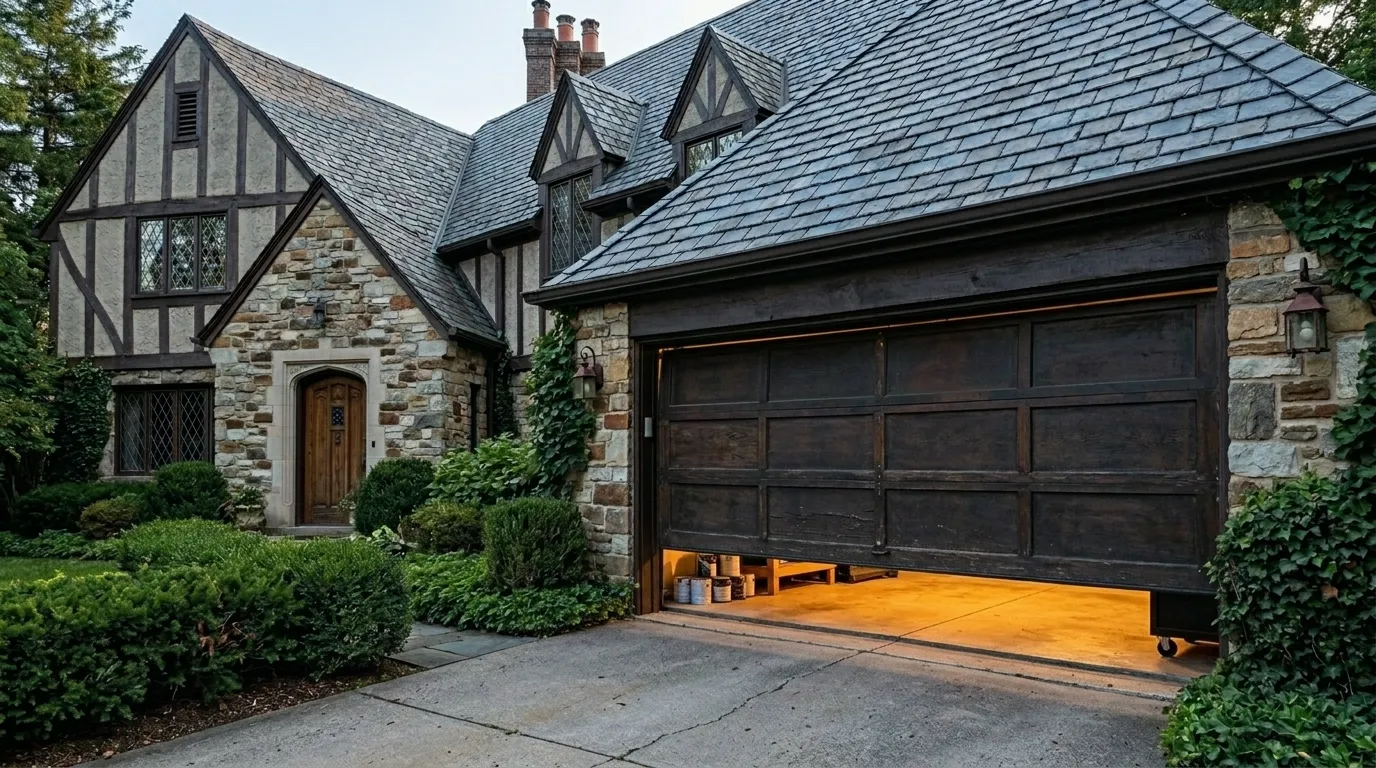 Garage Door Work for Waxahachie's 1980s and 90s Housing Stock
Waxahachie homes built mostly 1976-2014 carry original doors from before current insulation rules.
Garage Door Work for Waxahachie's 1980s and 90s Housing Stock
Waxahachie homes built mostly 1976-2014 carry original doors from before current insulation rules.
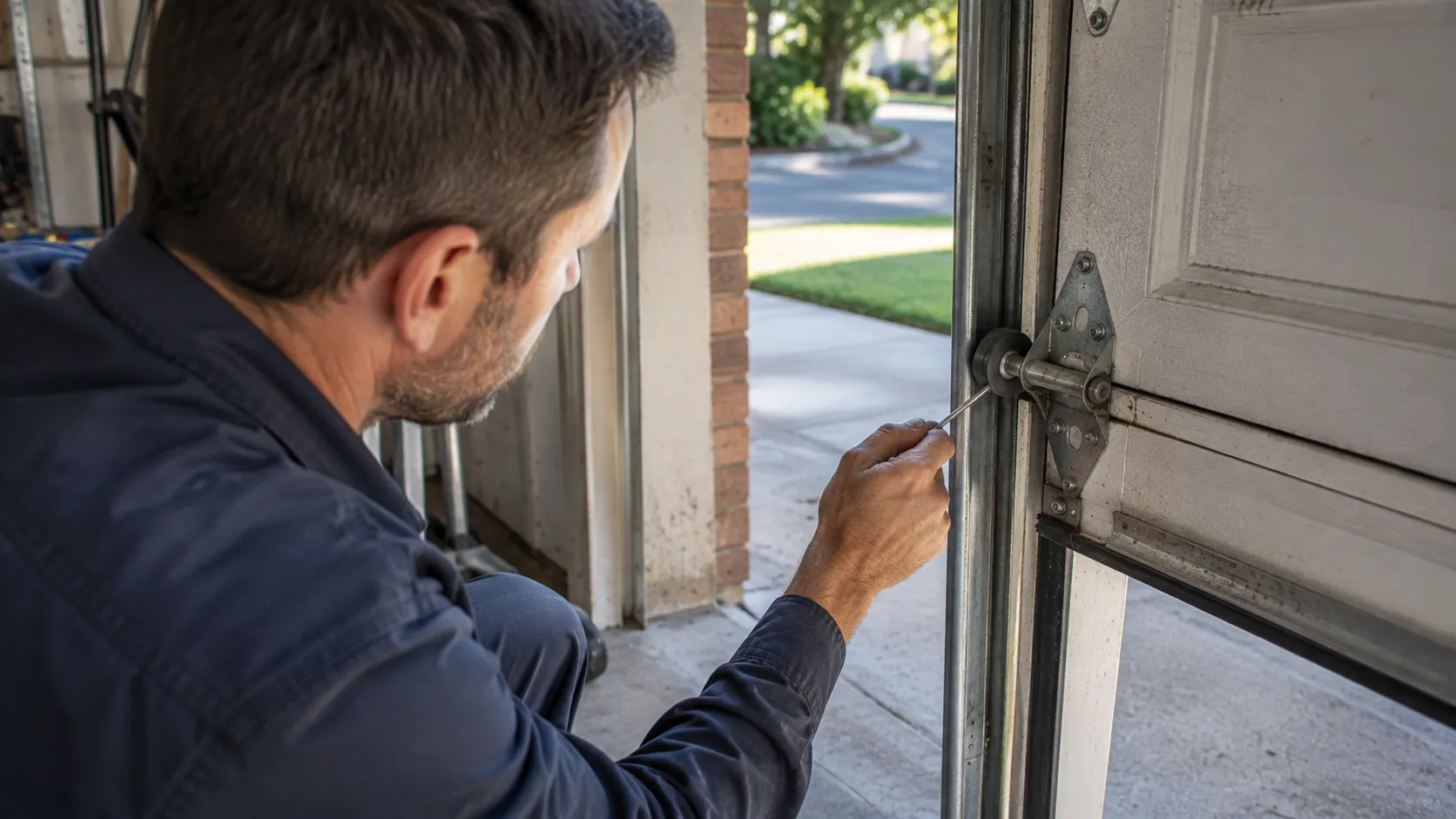 What Actually Happens During a Service Call Here
A look at what a real service call checks on Waxahachie garage doors, tied to the town's 1980s-90s housing stock, moderate heat exposure, and when a repair stops being a weekend job.
What Actually Happens During a Service Call Here
A look at what a real service call checks on Waxahachie garage doors, tied to the town's 1980s-90s housing stock, moderate heat exposure, and when a repair stops being a weekend job.
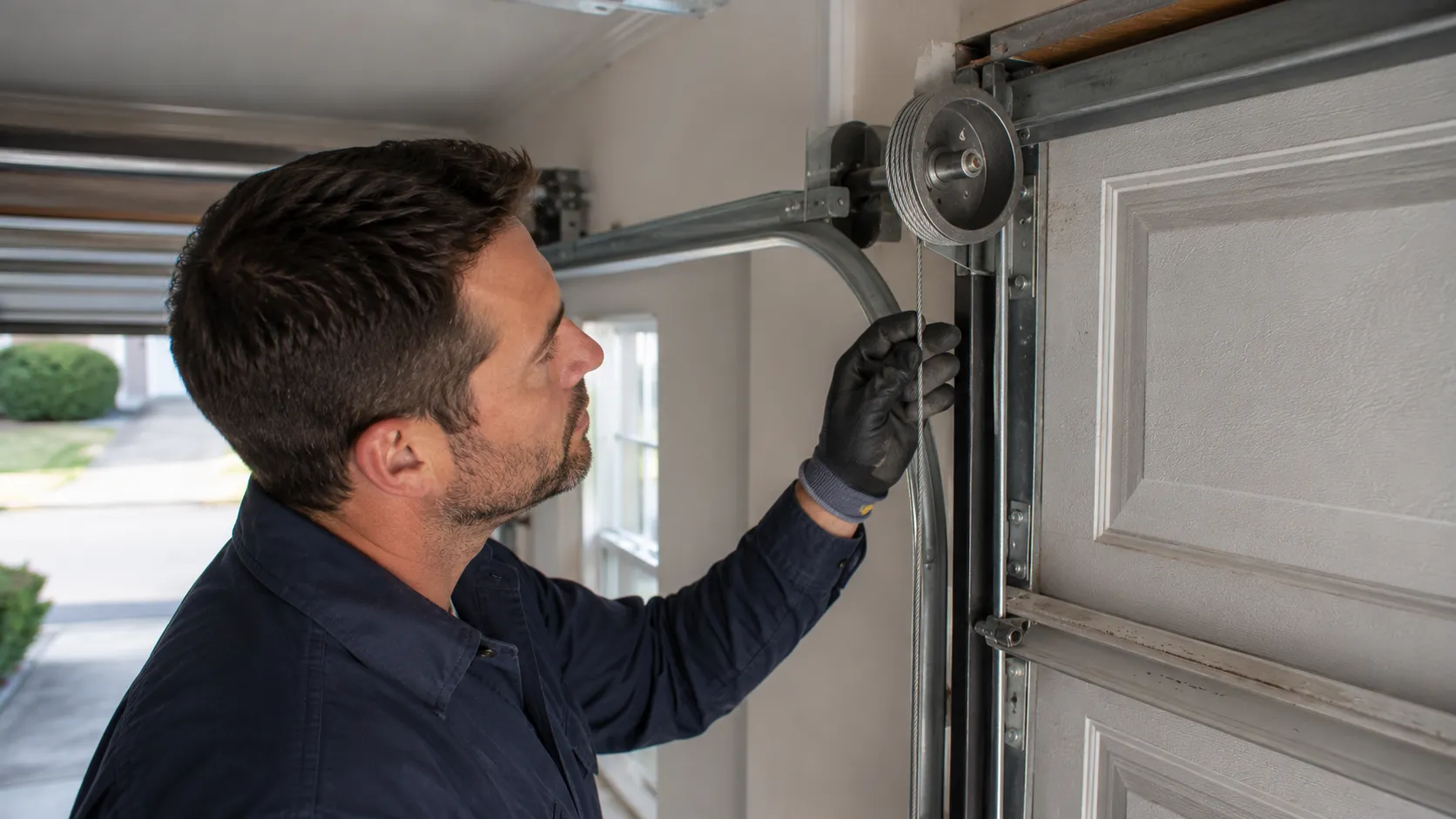 Is Your Old Garage Door Worth Fixing, or Time to Replace It
Waxahachie's housing stock runs mostly 1980s-90s, which means original springs and openers are aging out together.
Is Your Old Garage Door Worth Fixing, or Time to Replace It
Waxahachie's housing stock runs mostly 1980s-90s, which means original springs and openers are aging out together.
Ready when you are
Need a garage door sorted in Waxahachie?
Waxahachie Garage Door Pros repairs and installs garage doors, springs and openers in Waxahachie, TX and the surrounding area.