
Guide
Openers and Power Cuts in Waxahachie Homes
Openers in Waxahachie's 1980s-90s housing stock are aging out fast. Here's why power cuts hit them harder and when a reset isn't enough.
Local detail
The Problem
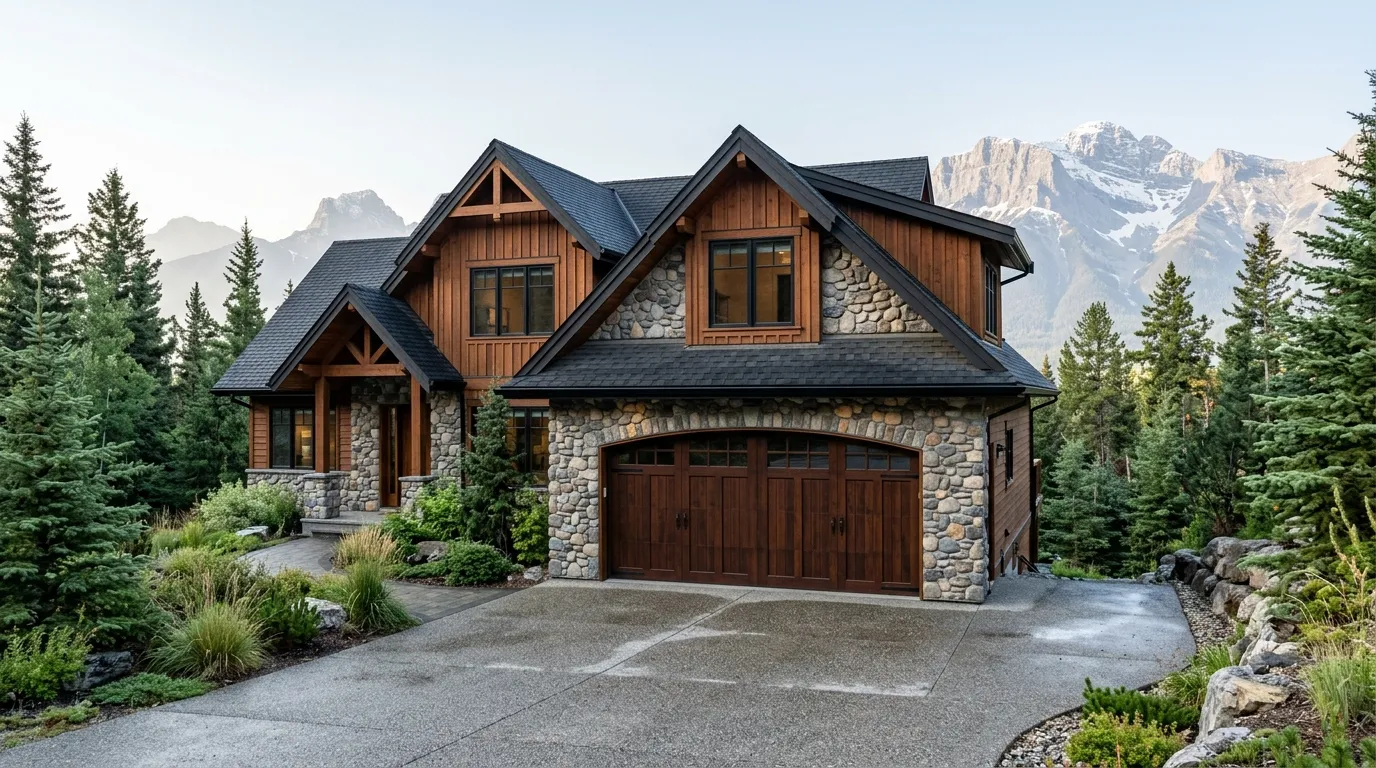
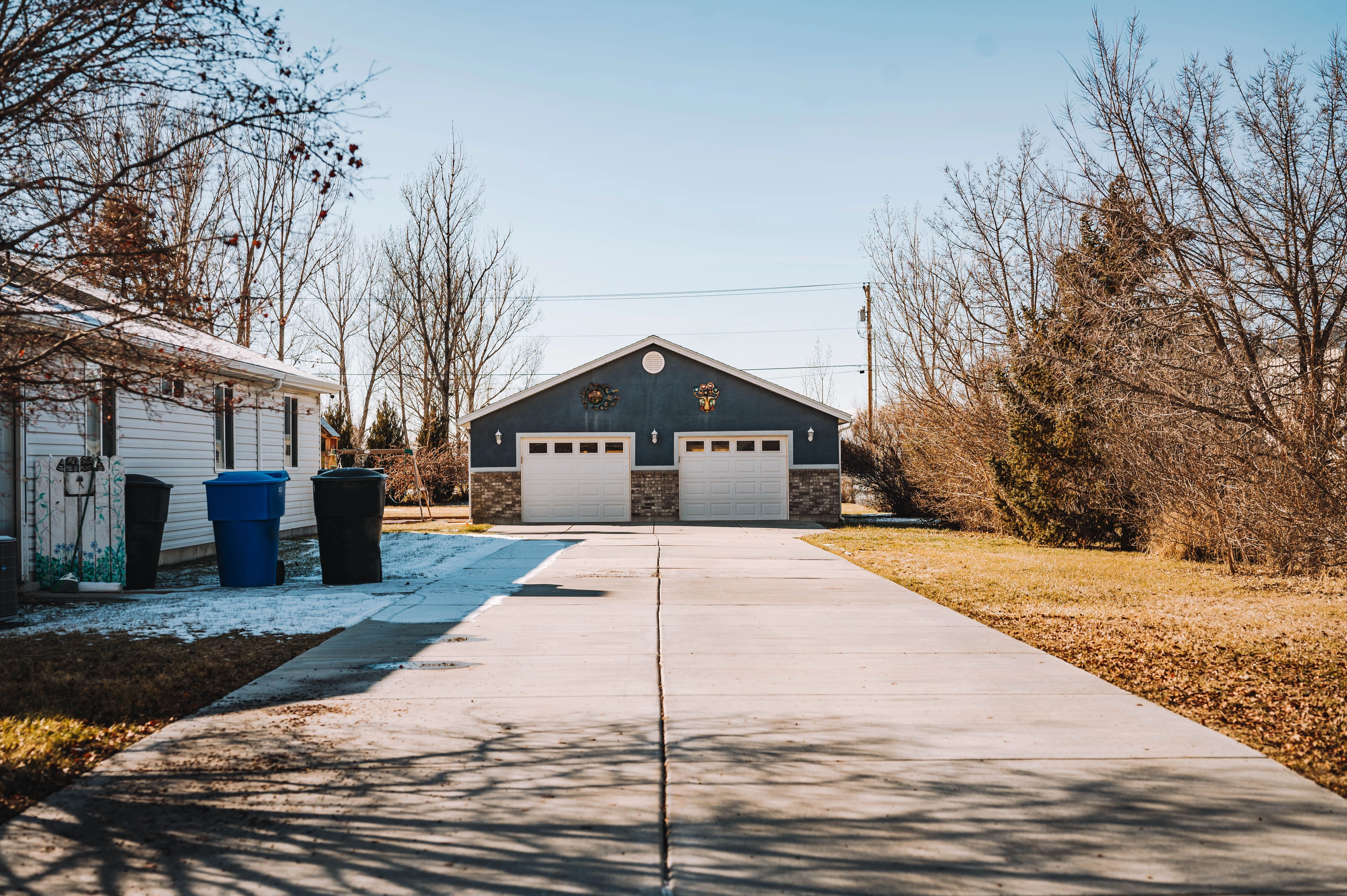
Most houses in this service area went up between 1976 and 2014, with the median landing around 1996. That means a lot of the openers still bolted to the ceiling out there are original equipment - call it 25 to 45 years of chain drive, gears, and a logic board that was never built to last forever. When the power cuts, even for a few seconds, some of those older units don't recover on their own. The lights flicker, the motor stalls mid-cycle, and the door sits half open or fully shut with no way to move it from the wall button.
Newer openers handle this fine. They reboot, find the limit switches again, and you're back in business. The problem is the stock across the 13 named areas this company covers skews toward the 1980s and 90s, which predates a lot of that self-recovery logic. If your opener came with the house and nobody's swapped it since, a power blip isn't a minor annoyance - it can strand the door until someone resets the whole unit by hand.
The area
When It Stops Being a DIY Job
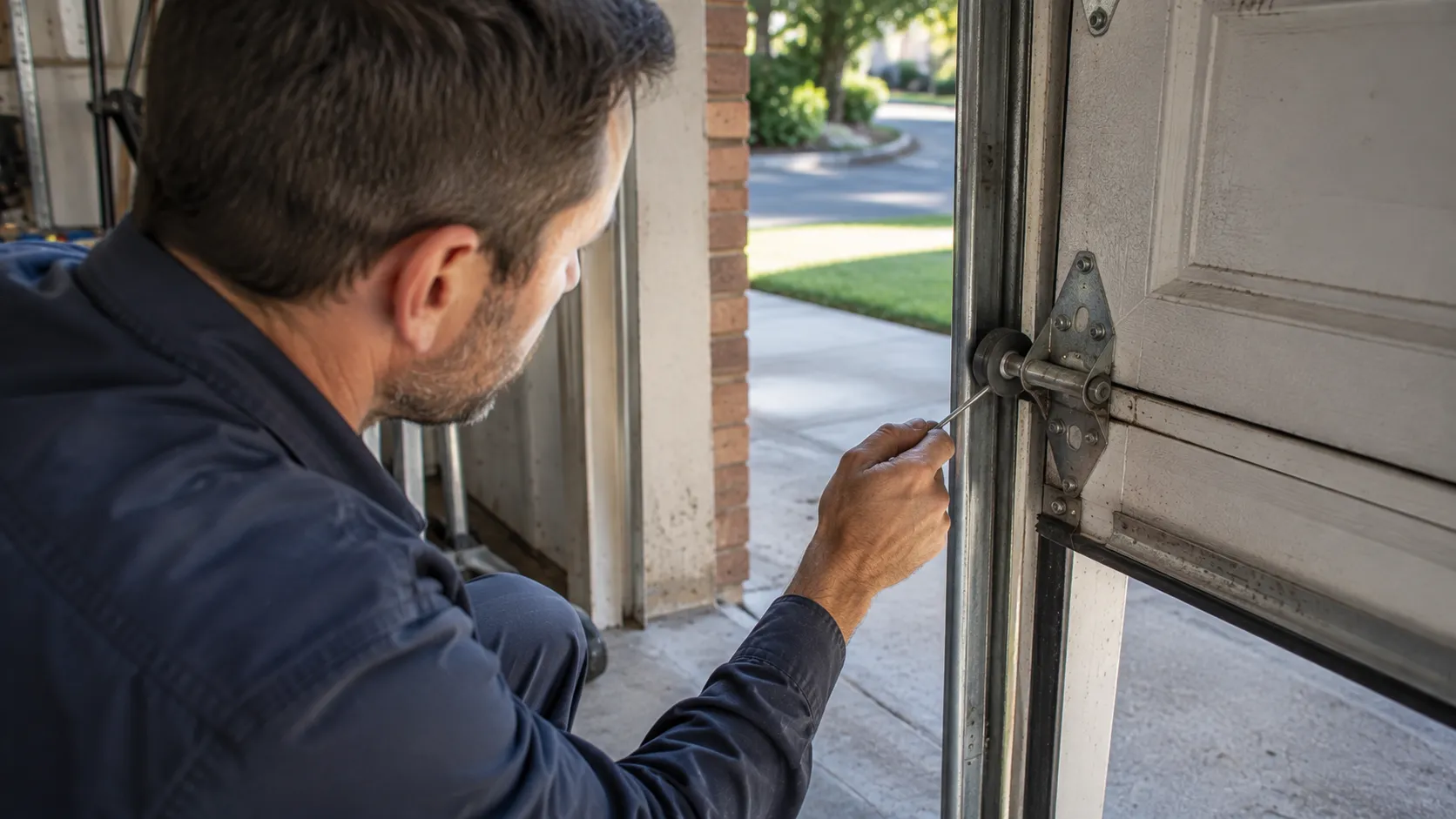
A single power cut that just needs the opener re-synced to its limit switches - that's usually a five-minute fix, and plenty of owners handle it themselves with the manual release cord and the owner's manual. That's not where we're worried about you.
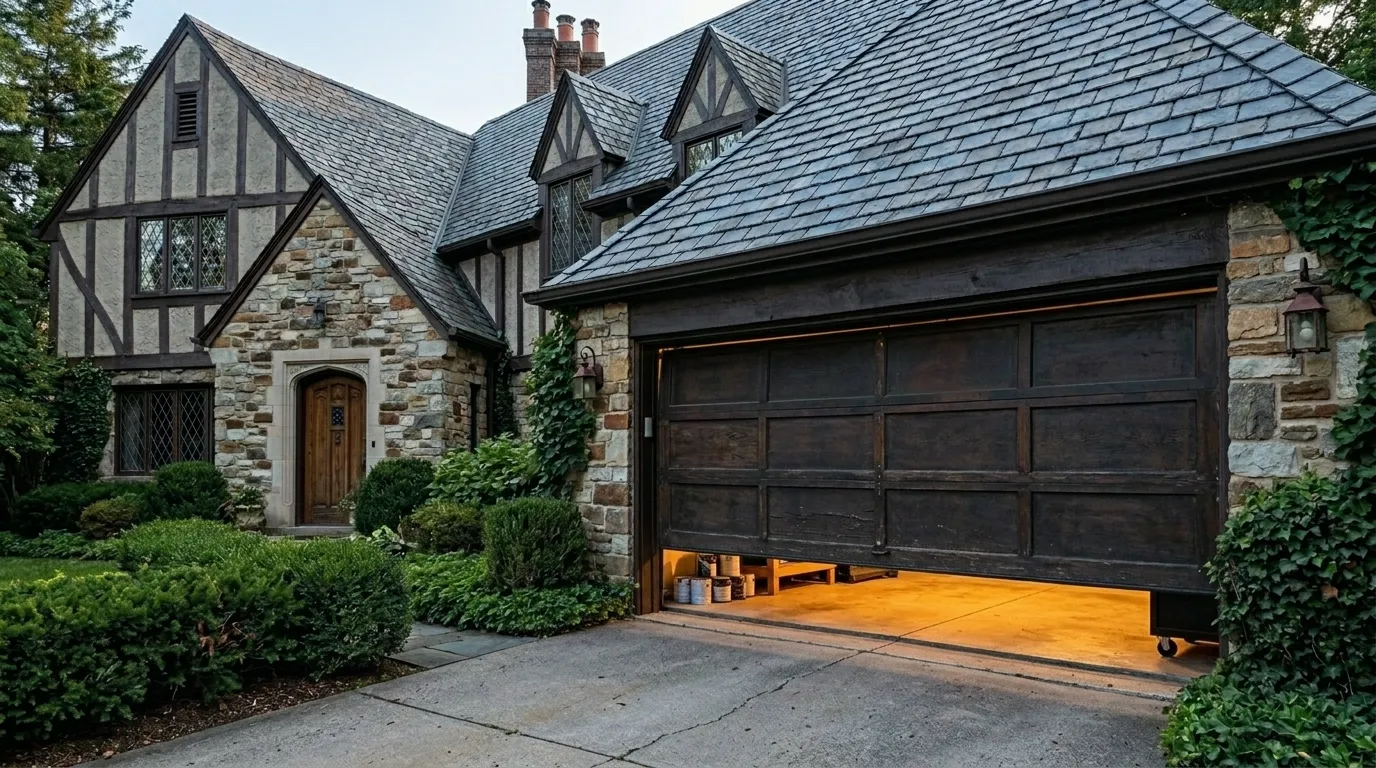
It turns into a real job when the power cuts repeatedly and the opener starts acting different each time: grinding on start-up, running the belt or chain without moving the door, or tripping the breaker on that circuit. In a house built anywhere near that 1976-2014 window, that pattern usually means the board or the capacitor is going, not just the sync. At that point pulling the cover and poking at wires yourself risks stripping a gear or shorting a board that was already on its way out.
We'll say the honest thing here: we don't rewire your home's electrical panel or troubleshoot whether the outage itself is a utility issue or a breaker issue. We fix what's on the door side of the wall outlet. If the power problem is upstream of that outlet, that's a different call to make.
What we find
How Local Conditions Play In
This area sits in a moderate heat band - not the extreme end of the map, but not mild either. That matters for openers more than most owners expect. Heat doesn't break a motor outright, but it cooks the capacitors and circuit boards a little more every summer, and a board that's already twenty-plus years old (which lines up with a lot of the 1980s-90s stock across this service area) has less margin left to absorb that stress.
Put the two together - an aging board and a power cut - and you get failures that wouldn't happen on a five-year-old unit in a mild climate. The opener loses its place in the cycle, throws an error code if it has one, or just goes quiet. It's not one dramatic event causing it; it's years of moderate heat wearing down a part that was already near the end of its rated life when the power blinked.
We're not saying every power cut ends in a service call. Most don't. But in a house from that build era, the odds of a cut turning into a real problem are higher than they'd be in a newer home.
How we work
The Common Mistake
The mistake we see most: an owner assumes every opener is basically the same, so a power cut gets treated as a non-event - flip the breaker, hit the remote, move on. That works fine on a unit built in the last decade. It doesn't work the same way on an opener that predates battery backup as a standard feature, which describes a lot of what's installed across this service area given the 1980s-90s build era.
With 21,770 owner-occupied houses in the mix, that's a large number of openers running past their comfortable working life without anyone checking whether a backup battery even exists on the unit. At a median household income of $79,739, replacing an opener outright before it fails is a bigger decision than replacing a battery, and we get why owners put it off.
The fix isn't complicated: know how old your opener actually is, and know whether it has a battery backup before the next outage forces the question. If you don't know, that's worth finding out before it becomes a stuck door at an inconvenient hour.
Questions
Common questions
Why does my opener stop working every time the power flickers?
If your opener was installed before battery backups were standard - common in the 1980s-90s stock found across this service area - a power interruption can knock it out of sync with its limit switches. Newer units recover on their own; older ones often need a manual reset before they'll run the door again.
Does the Waxahachie heat actually shorten opener life?
This area sits in a moderate heat band, not extreme, but summer heat still wears on the capacitors and circuit boards inside an opener over years. Combined with an opener that's already decades old, that wear adds up faster than it would on a newer unit in a milder climate.
Should I just replace my opener instead of resetting it after every outage?
If it's happening repeatedly and the opener is original to a house built in the 1976-2014 range, that's a sign the board or capacitor is aging out, not just losing sync. Constant resets are a symptom worth taking seriously rather than a routine chore.
Can you fix the power outage itself?
No. We work on the opener and door side of the wall outlet, not the electrical panel or the utility supply. If outages are frequent, that's worth a separate call to an electrician alongside any opener work we do.
Ready when you are
Need a garage door sorted in Waxahachie?
Waxahachie Garage Door Pros repairs and installs garage doors, springs and openers in Waxahachie, TX and the surrounding area.