
Guide
Garage Door Work for Waxahachie's 1980s and 90s Housing Stock
Waxahachie homes built mostly 1976-2014 carry original doors from before current insulation rules. We fix springs, openers, and panels worn out by decades of Texas heat.
Local detail
The Problem
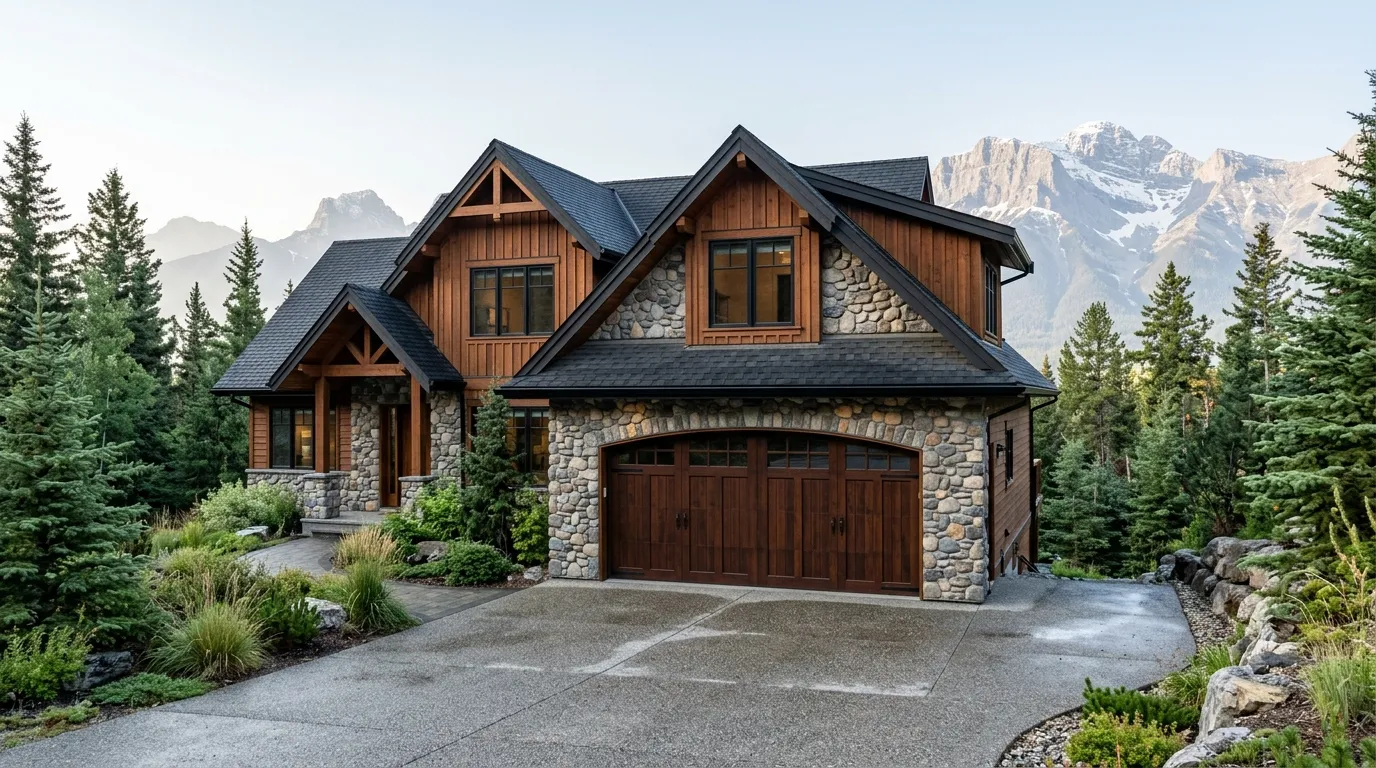
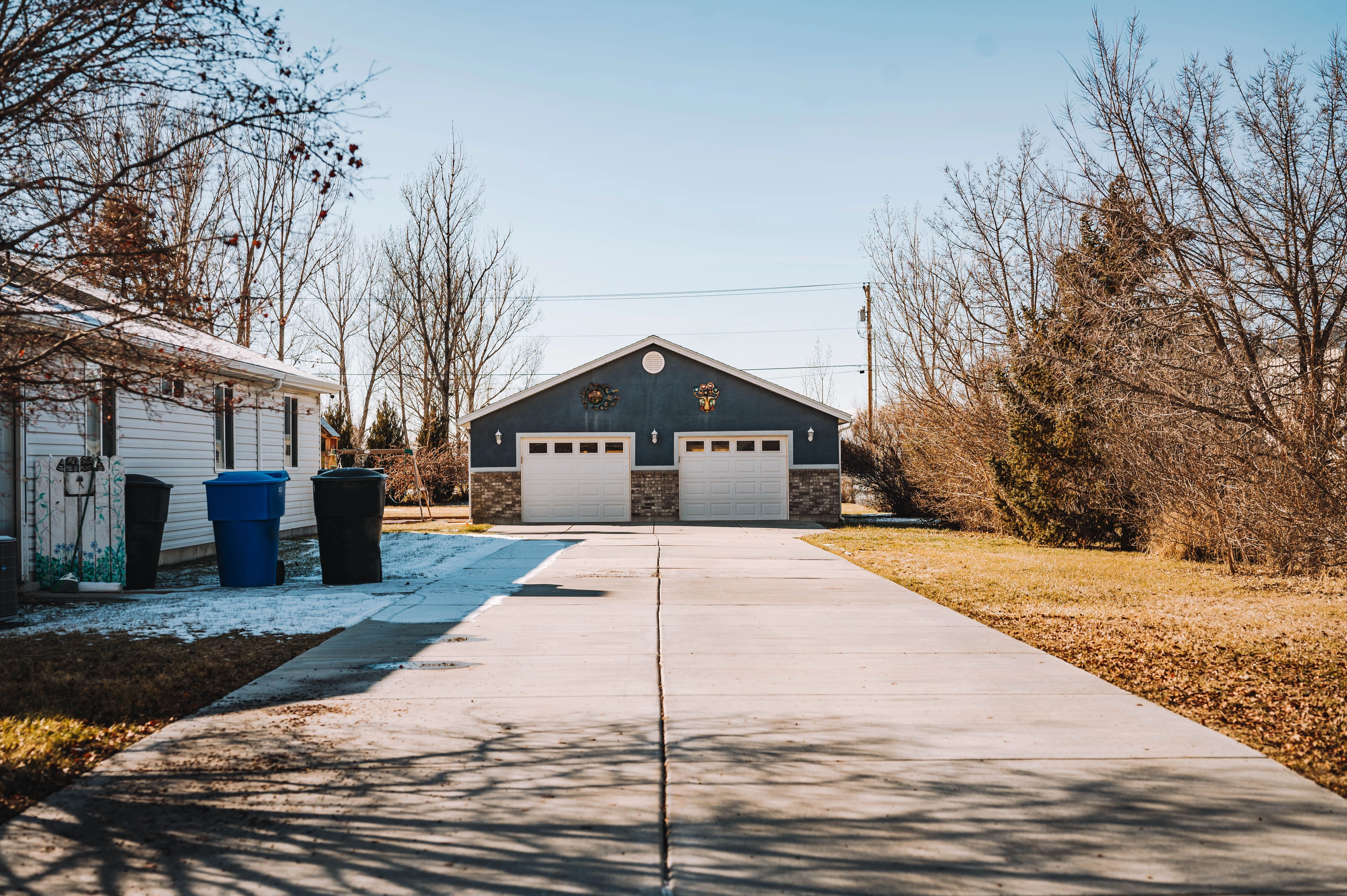
Most of the houses we get called to in Waxahachie went up between 1976 and 2014, with the median right around 1996. Across the thirteen communities we cover - Oak Leaf, Midlothian, Ovilla, Glenn Heights, Palmer, Maypearl, Ennis, Ferris, Italy, Venus, Wilmer, Hutchins, and Alma - the pattern repeats: 1980s and 90s construction, original garage door still hanging on the same torsion hardware the builder put in.
That matters because a lot of those doors went in before insulation requirements got tightened up. You've got a single skin of steel or a thin hollow panel with no foam core, no thermal break, and weatherstripping that was never meant to last thirty-plus years. The door itself isn't broken, exactly. It's just doing a job it was never built to do this long - keeping heat out, keeping the opener from straining against a heavier-than-intended slab, keeping rollers running true on track that's shifted a little with the slab.
We see the failure show up as noise first - a grinding roller, a spring that's lost its tension curve - long before the door actually quits. By the time it won't open, the hardware underneath has usually been compensating for years.
The area
When It Stops Being a DIY Job
A door from the 1980s or 90s doesn't fail all at once. It fails one part at a time, and that's exactly what makes it tempting to patch yourself - a can of lubricant here, a tightened bolt there. Some of that is fine. Swapping a roller or oiling a hinge on a door this age is reasonable weekend work.
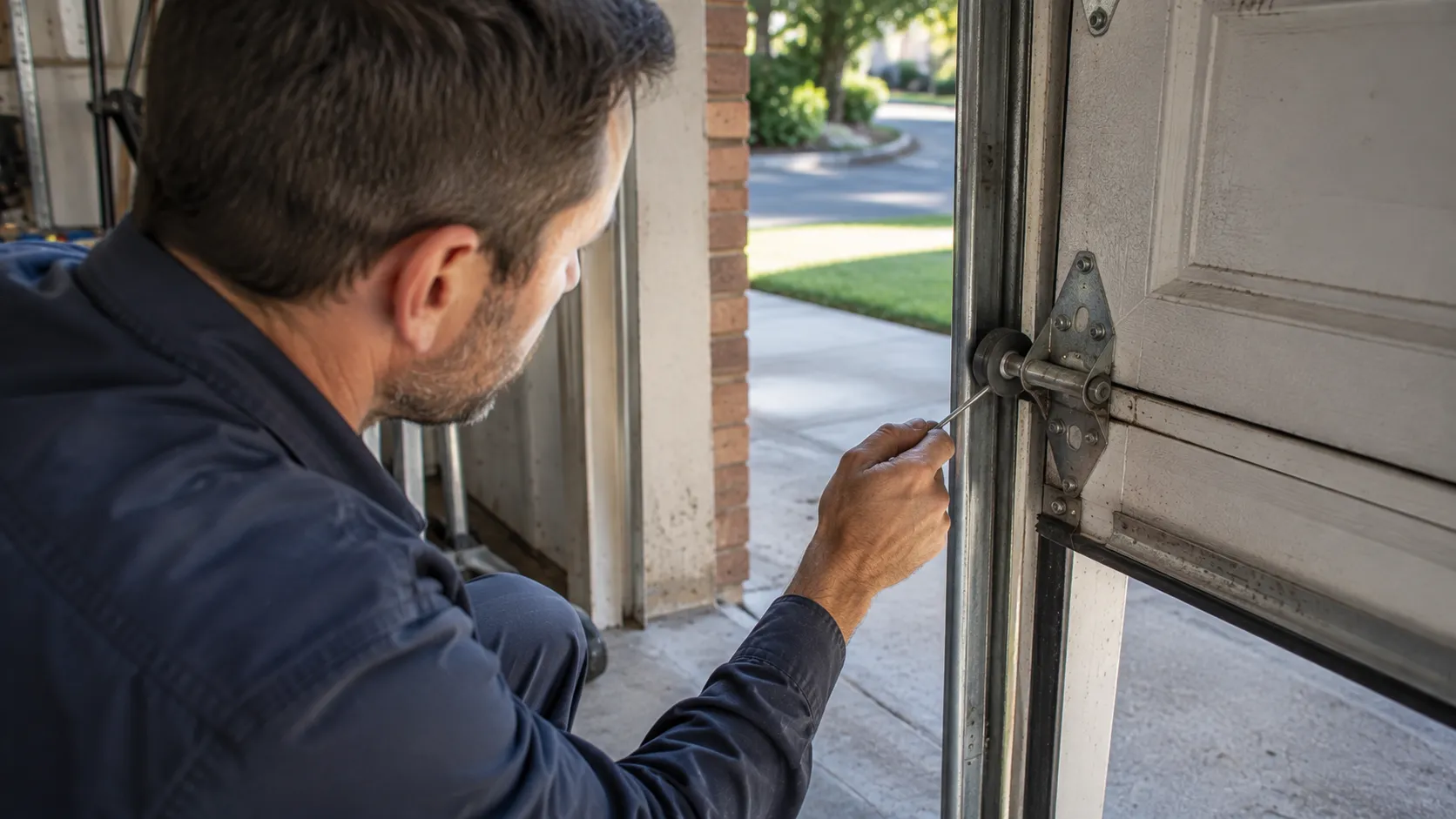
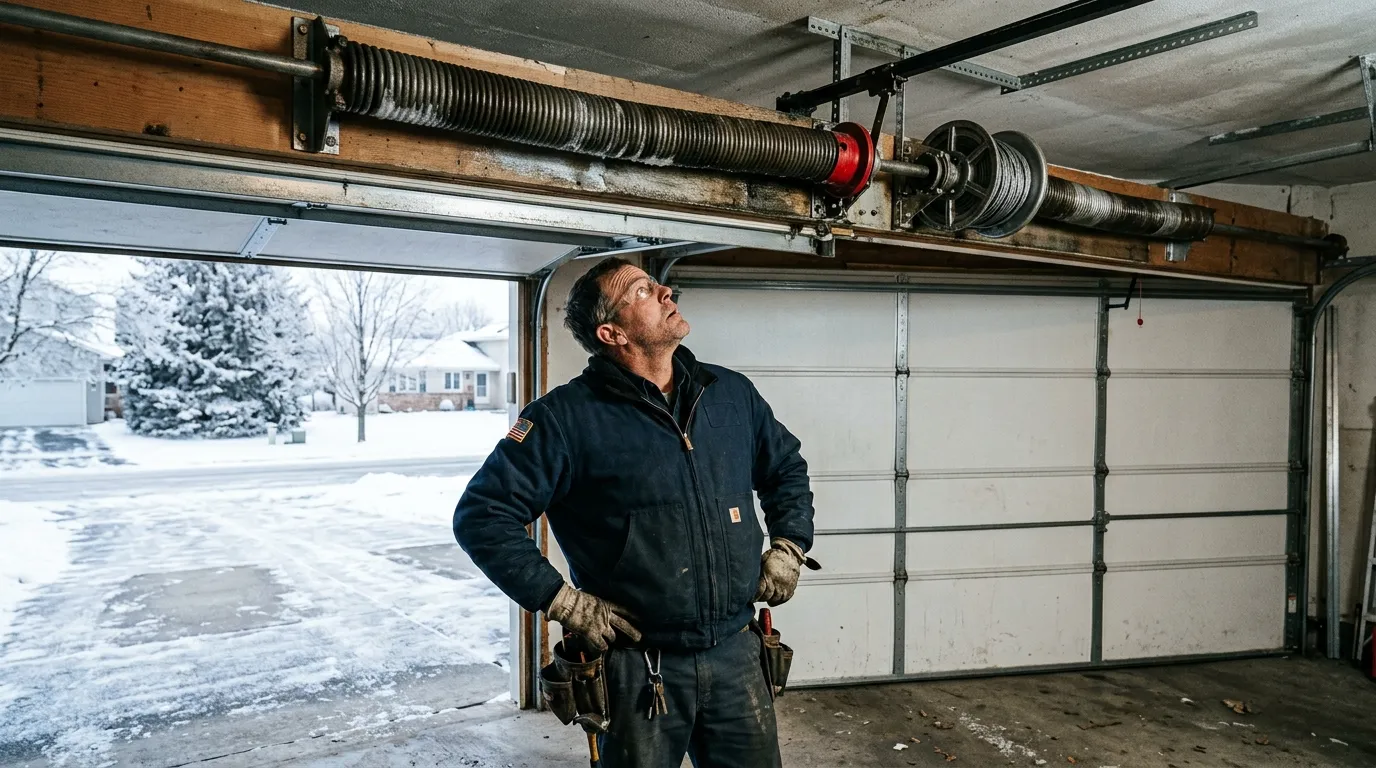
Where it stops being a DIY job is the torsion spring and anything involving the cable drums. On a house built in the median year here, 1996, that spring has likely been wound and released tens of thousands of times, and steel fatigues on a schedule, not a warning system. A spring under full tension that lets go while someone's hands are on it can break bones. We also draw the line at track realignment on older doors, since the track brackets on original 90s installs are often thinner-gauge than what's sold today, and forcing them back into square can crack the mounting.
The honest limit on our end: if the door is original to a house from this era and the bottom panel has rusted through or the track is bent beyond straightening, we're going to tell you replacement costs less over time than another repair. We won't keep billing you to patch a door that's done.
What we find
How Local Conditions Play In
This area sits in a moderate heat band, not the extreme end of Texas, but moderate still means real summer swings that a 25-to-45-year-old door and opener were not engineered around by today's standards. Steel panels expand and contract enough over a season to loosen fasteners that were torqued once at installation and never touched again. Nylon rollers on original hardware get brittle faster than the newer sealed-bearing kind, and on a house from the 1980s or 90s, those are usually the rollers still in the track.
Opener sensors are the other place heat shows up. On installs from that era, the photo-eye alignment brackets are often just bent sheet metal, and repeated thermal expansion nudges them out of true over the years - which is why a door that's worked fine all week suddenly refuses to close on a hot afternoon. It's rarely the opener logic board. It's a sensor bracket a few degrees off after two decades of summers.
We don't get hurricane-force wind loads or heavy snow load here, so we're not chasing the code issues those climates create. What we chase instead is slow heat fatigue on hardware that's older than the insulation standards it would need to meet if installed today.
How we work
The Common Mistake
The mistake we see most in this area is replacing the opener and leaving the original door. On a house built in the 1976-2014 range - median 1996 - the opener usually isn't the oldest part of the system. The door is. A new opener bolted to a thirty-year-old door with a fatigued spring and worn track just means the new motor works harder to compensate, and it shortens its own life doing it.
The other version of this mistake is buying a door based on price per square foot without checking what's actually in the wall cavity behind it. A lot of homes in this housing stock have openings sized to builder-grade specs from that era, and a modern insulated door in the wrong dimension means custom trim work that erases any savings from a cheaper unit.
With roughly 21,770 owner-occupied houses across this service area and a median household income near $79,739, most of the households we work with are weighing a repair against a replacement on a real budget, not doing it for looks. Fixing the actual point of failure - spring, track, or sensor bracket - before spending on a new opener or door usually gets more years out of what's already there.
Questions
Common questions
Is my garage door original to my house if it was built in the 1980s or 90s?
Often, yes. Across this area's housing stock, most homes went up between 1976 and 2014 with a median around 1996, and a lot of owners have never replaced the original door, only serviced it. If you're not sure, check the panel for a manufacture sticker near the bottom corner, or call and we'll look at it.
Why does my door only stick in hot weather?
On older installs, the photo-eye sensor brackets are thin metal that shifts slightly as it heats and cools through the season. After two decades of summers in this moderate heat band, the alignment drifts enough that the sensors misread and the door refuses to close. It's usually a bracket adjustment, not a broken opener.
Should I repair or replace a door from this era?
If the panel has rusted through or the track is bent, replacement is usually cheaper over time than another repair. If it's a worn roller, a loose bracket, or a fatigued spring, repair makes sense. We'll tell you which one it is rather than default to a sale.
Ready when you are
Need a garage door sorted in Waxahachie?
Waxahachie Garage Door Pros repairs and installs garage doors, springs and openers in Waxahachie, TX and the surrounding area.